



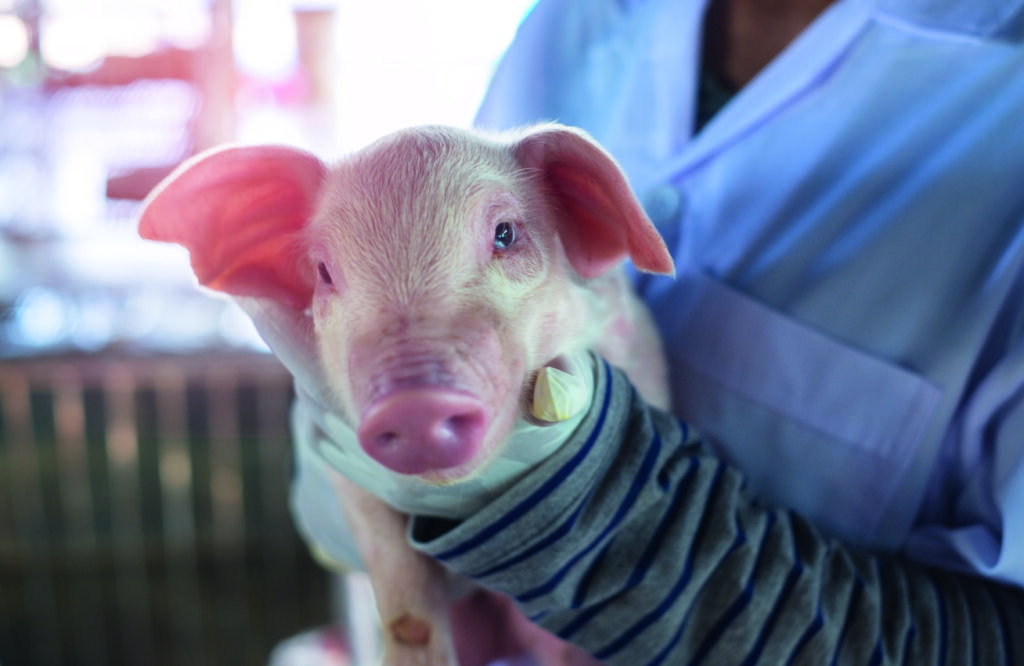
Some of the UK’s leading pig veterinary practices set out what they see as the biggest pig health challenges on farms today and offer key advice to producers.
Garth Pig Practice
Garth Pig Practice is dedicated solely to pigs. Originally founded in East Yorkshire by Michael Horrox and Mike Muirhead in 1951, the practice now employs 10 veterinary surgeons with a cumulative experience of more than 230 years, supported by an experienced team of animal technicians and commercial and support staff.
It covers the whole of the UK, with bases in East Yorkshire, East Anglia and Scotland and extensive experience in indoor and outdoor pigs. It also consults overseas and has worked at all levels of the industry, including exports, artificial insemination centres, commercial trials and traxining, and works closely with the Pig Veterinary Society and NPA.
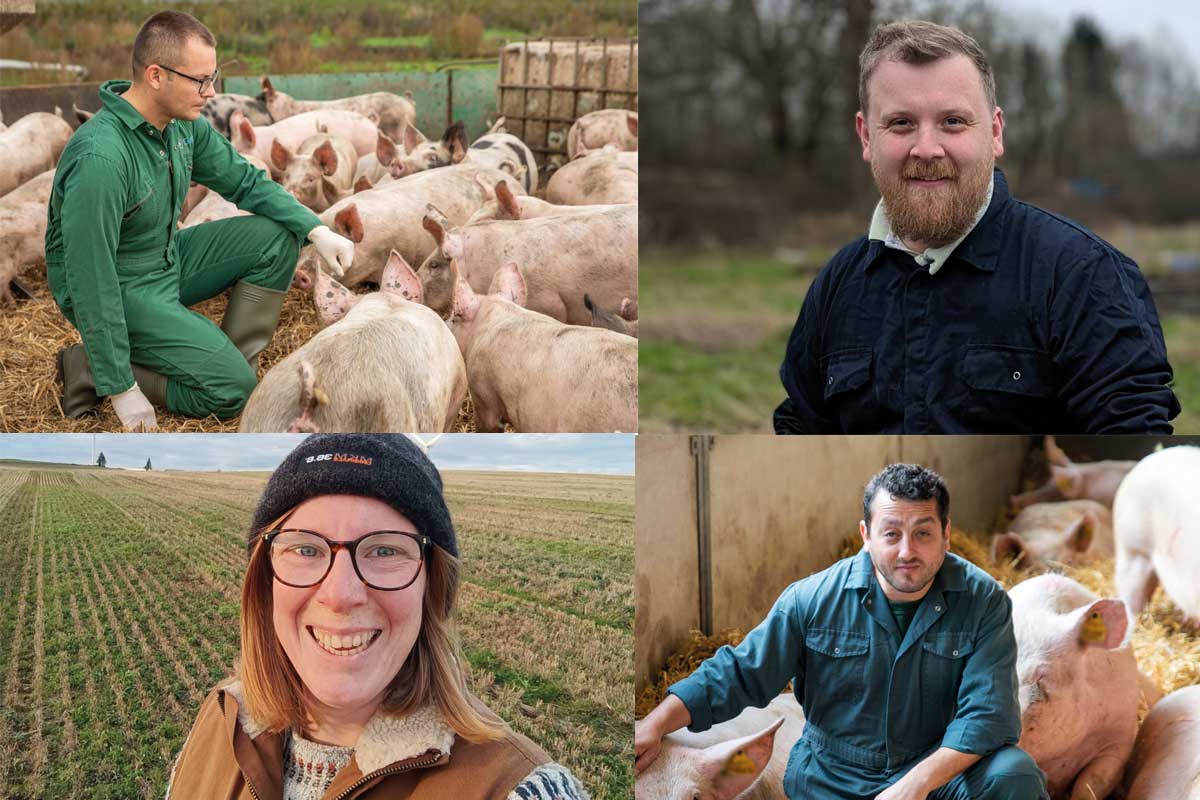
Being part of the wider VetPartners team means it can call in more colleagues for additional support, when necessary.
Pig health challenges
- Post-weaning diarrhoea and looseness remain a challenge, with pigs generally seeming to be less stable over this period without zinc oxide in feed. Even herds that cope most of the time are having periodic flare-ups, requiring occasional in-water medication.
- Respiratory disease, particularly in continual-flow systems, remains an issue in the post-wean period, with porcine respiratory disease complex common, despite vaccination, and particularly problematic where both flu and porcine reproductive and respiratory syndrome are circulating concurrently.
- Medicine outages for vaccines and antibiotics are an ongoing issue. It is confusing for vets and producers when the usual brand of a product has to be substituted.
Vet challenges
The challenges for vets are common to those of pig producers. The rise in national insurance effectively means Garth has a couple of extra ‘salaries’ on the payroll, with no work to show for it.
Potential realignment with EU legislation, particularly in medicines, will bring further challenges, and energy costs have risen sharply. All of these increase operating costs.
Advice for producers
- Concentrate on getting basics right.
- Ensure staff are actually doing what you think they should be doing – for example, when making up medications and injection techniques. Audit regularly.
- Maximise weaning age to reduce post-wean issues – and have a plan for the smaller pigs at weaning.
Bishopton Veterinary Group
Bishopton Veterinary Group was founded in Ripon, North Yorkshire, in 1943 and has remained independently owned from within the local community.
The practice provides veterinary advice and services to all species throughout Yorkshire and beyond.
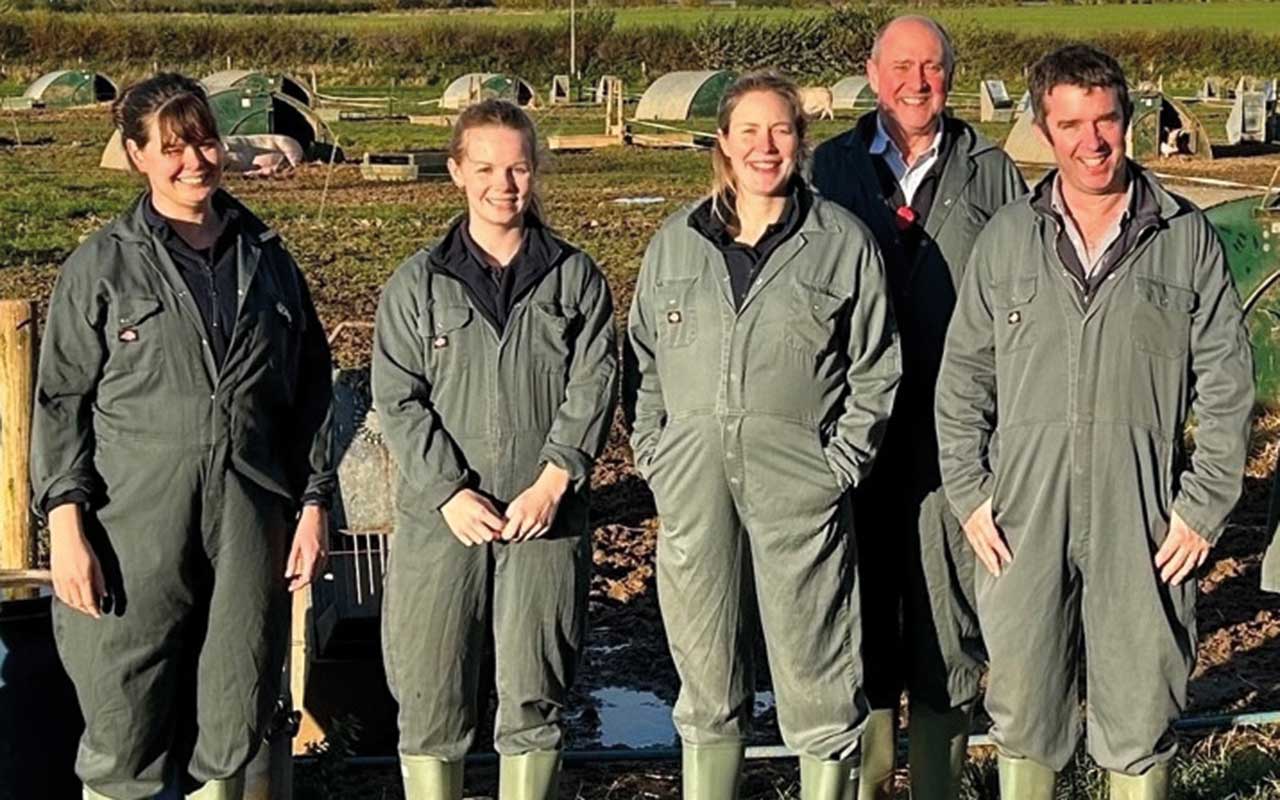
The pig department includes five vets and one vet tech, headed up by Duncan Berkshire. Along with providing vet advice across a large part of England, it carries out bespoke training across the UK – knowledge exchange has always been integral to the practice’s philosophy.
Pig team members also regularly feed into wider aspects of the pig sector through PVS and the Pig Health and Welfare Council.
Pig health challenges
- This winter’s humid environment has resulted in various challenges on farm, from bacterial skin eruptions to increased incidence of meningitis.
- Viral challenges, such as PRRS and flu, have taken over as the main target for good control on farm, particularly with their significant effects on the immune system.
- The changing genetic potential of pigs, linked to health, nutrition and the environment, demands a holistic approach – they cannot be dealt with in isolation.
Business challenges
Veterinary students have become increasingly distanced from farm animal medicine, let alone population-based medicine, as we have on pig farms.
Igniting a passion for this is difficult when the vet schools are not set up for the small number of vets who end up in this sphere, meaning only a few vets see this as a career, providing a challenge for recruitment.
The difficulty of sourcing medicines after Brexit, along with reduced antimicrobial use that means products go off market, also create extra stress for vets and clients.
Advice to producers
- Everyone can learn more, and we believe it is important to challenge each other in our work. It makes it interesting and more rewarding, plus our clients gain knowledge.
- Remember that your vet, as a professional, should be your critical friend, working with you, but also keeping things in check where needed. Working together will improve your farm for the future.
George Pig Practice
Based in Malmesbury, the George Pig Practice has earned a strong reputation as a specialist centre for pig health, welfare and production medicine.
Its six‑vet team supports a broad client base across the UK and Ireland, and includes a recognised specialist in pig medicine, two former Pig Veterinary Society (PVS) presidents and the incoming 2026 PVS president.
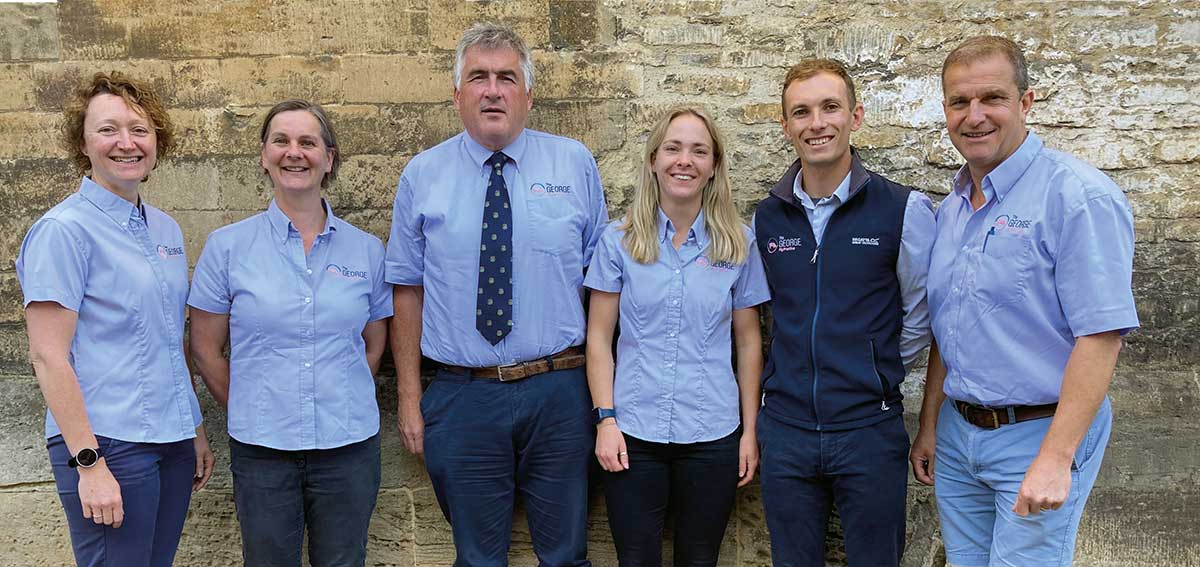
With about 130 years of combined experience, the pig practice has achieved national recognition, winning Young Pig Vet of the Year and Farm Vet of the Year at the National Pig Awards.
For more than 40 years, it has provided a comprehensive service spanning herd health planning, welfare, production consultancy, farm assurance and practical skills training. Its in‑house laboratory and strong data‑analysis capability support robust diagnostics, epidemiology and performance reviews.
Pig health challenges
- There is a rising enteric disease burden and processing bottlenecks. Complex enteric disease is being compounded by limited diagnostic and vaccine options, resulting in increased finishing time, while abattoirs failing to take agreed pig numbers have created further challenges.
- Inconsistent application of statutory controls by APHA in important policy areas, such as bovine tuberculosis and the granting of Primo (pig movement licences) has created great difficulties.
- Farms and veterinary teams have had to divert significant time and energy away from proactive herd health and welfare work to manage disruptions from activists targeting pig farms.
Vet challenges
Essential pig medicines are disappearing as licences lapse without renewal, with no new products expected. Interruptions in the supply of vaccines and medicines are further disrupting herd health programmes.
Attracting vets into specialised production animal work remains challenging, affecting clinical capacity and service provision.
Advice to producers
- Get the environment right: High‑quality air, correct temperatures, clean water, dry lying areas, good hygiene and age segregation aiding reduced disease transfer are essential.
- Invest in staff competencies: Strong skills in pig care, low‑stress handling and humane euthanasia are critical for health and welfare.
- Measure and strengthen external and internal biosecurity: Critically assessing biosecurity and enhancing strict access control, robust hygiene, clean/dirty separation, transport management and regular procedural reviews will reduce the risk of disease introduction and subsequent spread.
GW Pig Consultants
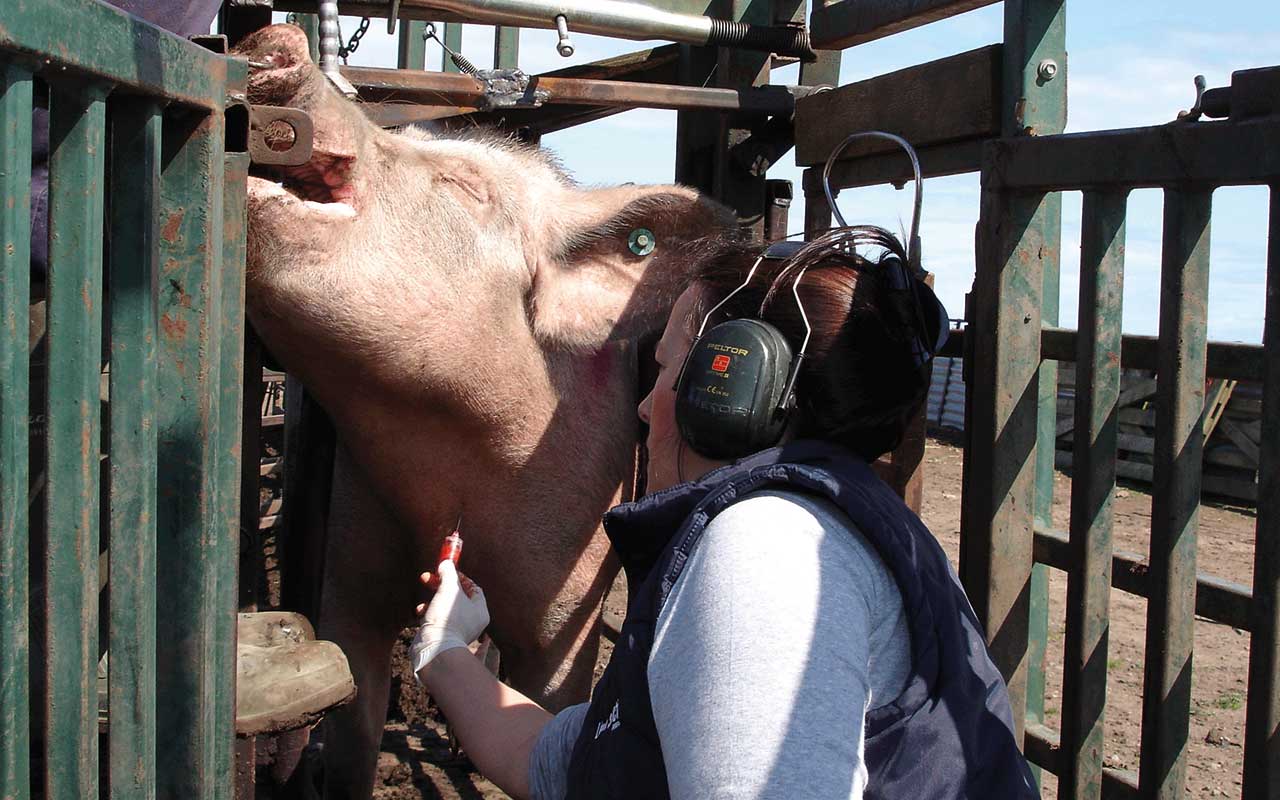
GW Pig Consultants is a single-handed practice based in Oldmeldrum, in Aberdeenshire, covering much of Scotland.
Grace Webster established the dedicated pig practice in 2011, following 25 years of serving the local pig sector from within a local mixed practice.
Pig health challenges
- Porcine reproductive and respiratory syndrome (PRRS) has been underlying most of the challenging situations on pig farms.
- There have also been problems with salmonella, which seems to have had a resurgence since the zinc oxide ban.
- Porcine respiratory disease complex, with involvement from swine influenza, has also been problematic.
Vet challenges
The biggest challenge has been the availability of vaccines and medicines generally, requiring the practice to source alternative products from Europe at short notice.
Cooperation from pharmaceutical companies and the Veterinary Medicines Directorate to highlight these shortages in advance would ease this situation, particularly with vaccines. The range of treatments available has also reduced as UK usage does not justify the cost of licensing and marketing these products.
Working within the revised veterinary medicines regulations remains a challenge. The practice is also conscious that the UK-EU sanitary and phytosanitary deal might result in losing hard-fought concessions gained around ‘exceptional circumstances for group prophylaxis’ and the duration of a medicated feed prescription – especially important for its more remote clients.
There are also challenges in terms of the lack of confidence in the industry.
Advice to producers
- Reducing stocking rates: While all the practice’s quality-assured farms are complying with the stocking rates stated in legislation, producers should recognise that these are maximum rates for welfare, not for achieving the best productivity. Reducing the stocking rate cuts the disease challenge, allowing the immune system to be in control, rather than overwhelmed by disease.
- Basic biosecurity (bio-exclusion and biocontainment) is key: In recent years, good evidence has been produced about the direct effects on health and medicine use and how this equates to financial gain. Many of the changes required are behavioural and require no investment, such as reducing pig movement between litters, helping to control diseases like PRRS, while others are relatively low-cost, such as changes of PPE when moving between sections of the unit.