


ig producers across the UK are facing huge pressure and an uncertain future in the face of low prices, rising costs and a mass termination of contracts or, in some cases, a reduction in contracted numbers.
Current industry estimates suggest there could be as many as 10,000-15,000 pigs on the market without a destination in the autumn, when contract notices start to take effect. With all the big pork processors – albeit some much more than others – giving notice on contracts, this has been described as unprecedented.
The SPP, despite a slight recovery, remained below 180p/kg in late July, about 30p below where it stood a year ago – and that is just an average, with some producers receiving a considerably lower price, just as production costs are rising.
As has always been the case, some producers are largely or entirely immune to the situation, depending on who they are supplying and the nature of their contracts, including those offering long-term security and strong links to cost of production.
Others are having to assess how much longer they can endure the weekly losses and uncertainty over where they will be selling their pigs in a few months’ time – and make some difficult decisions about their businesses.
No light at the end of the tunnel
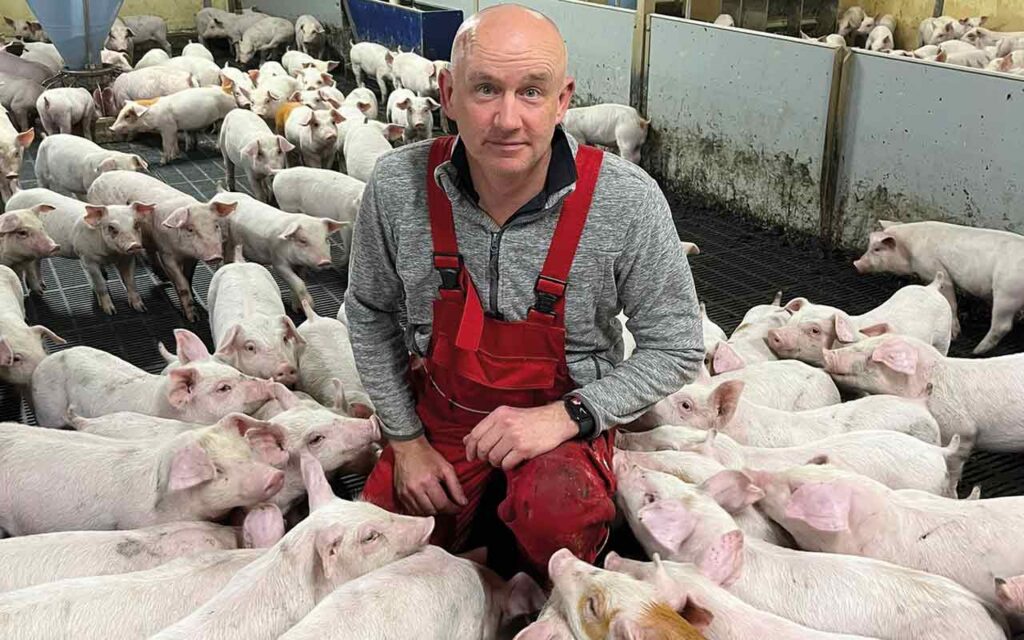
Gregor Christie’s family has been farming pigs in south-west Scotland since 1954, and he has been part of the business for nearly 30 years. “This is as bad as I’ve ever known it,” he said.
He runs a 200-sow indoor herd supplying a major processor via the United Pig Cooperative and is currently receiving little over 130p/kg for his pigs.
Even though his price mix is 75% SPP, he is receiving 40p below the current SPP figure due to an extremely low processor ‘shout price’, which makes up the other 25% of the formula and brings his overall price right down.
“It is putting us under enormous financial pressure,” Mr Christie said. “We are seven months into our financial year, and we are £250,000 down in income compared with last year.”
He said the £2m fund announced by the Scottish government – targeted at independent producers receiving significantly below the SPP – was welcome but, in his case, would only go a fraction of the way to covering the ongoing losses.
He added that there was also uncertainty over his contract, ahead of the August 13 introduction of the Fair Dealing Obligations (Pigs) regulations. “I’ve asked for it, but not seen it yet.”
Mr Christie has not yet made any changes in terms of pig or staff numbers, preferring to stick it out in the hope of a much-needed upturn – but he acknowledged his current losses ‘can’t go on indefinitely’.
With many other producers in a similar position and lots having contracts terminated, there is little prospect of placing pigs elsewhere and the outlook is extremely uncertain. “In previous downturns, however bad, there has always been light at the end of the tunnel, but I’m just not seeing it now,” he said.
Opening a debate in the House of Commons on support for the pig industry in July, Harriet Cross, Conservative MP for Gordon and Buchan, said the Scottish pig industry was facing even more acute pressures than farmers in England.
“According to data I have seen, the price being paid has barely got above 140p/kg since April. At present, Scottish pig farmers have no formal contracts, so there is no guarantee their finished pigs will even be taken. Having spoken to pig farmers in my constituency, there is genuine fear for the future of the sector. Just since January, Scotland has lost 15% of its pig herds and the average price per kilo has fallen by more than 20%.
“The pig sector in Scotland is down £5.7m since January this year, with continued losses almost guaranteed if prices remain suppressed.”
Independent producers bear the brunt
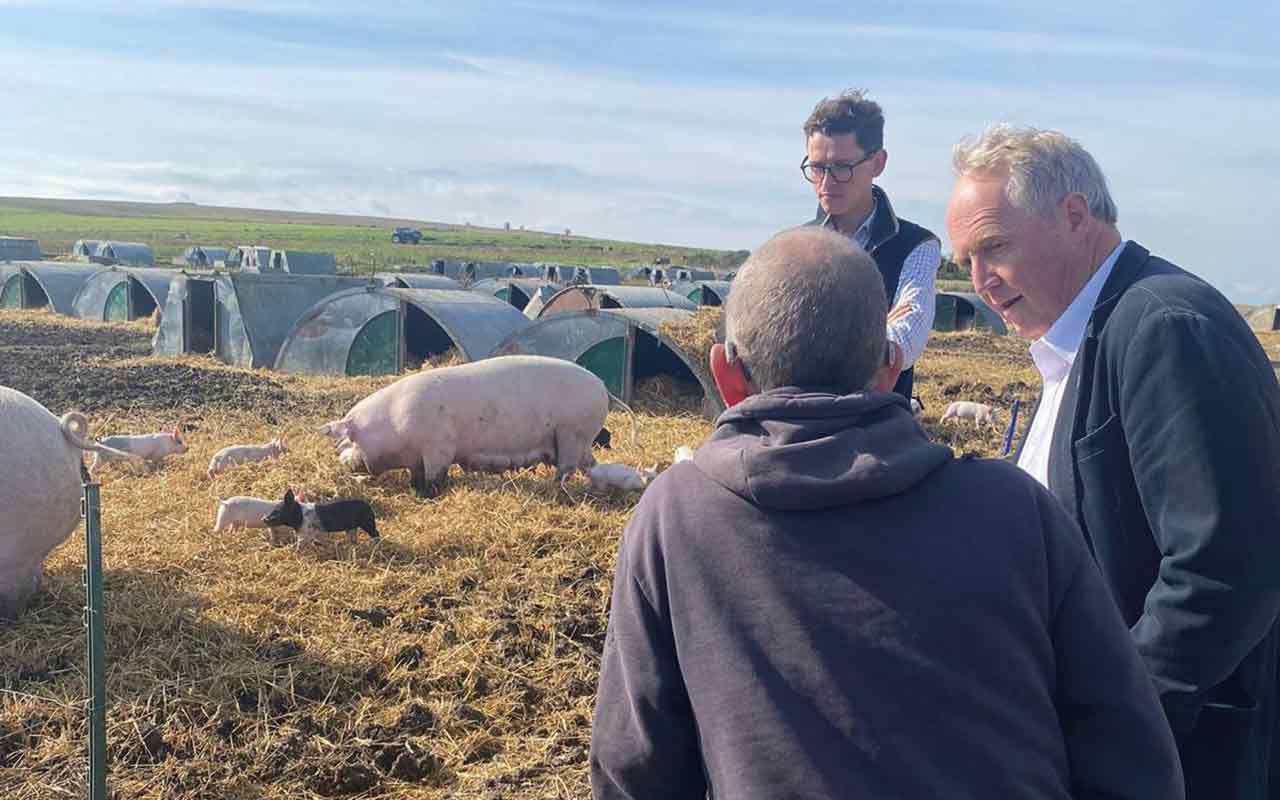
Brian Mathew, Liberal Democrat MP for Melksham and Devizes, highlighted the problems faced by his constituent, Pig World columnist Cameron Naughton.
“He told me his business is losing about £5,000/week. Operating a high-welfare, outdoor-bred, RSPCA-Assured farm like Cameron’s inevitably carries a much higher cost of production, but what he finds incomprehensible is that prices to the consumer keep rising while the supermarket supply chains continue to make substantial profits that are not reflected in what farmers are paid,” Mr Mathew told MPs.
“Independent producers like Cameron are bearing the brunt of a market that has been declining since 2025.”
Afterwards, Mr Naughton said things had picked up slightly since he contacted his MP. “We are not losing quite as much now that we have started harvest and can use our own straw again, instead of having to buy it in, which was crippling.
“And it’s better than it was when we couldn’t sell animals and were feeding them when they were worthless – but we are still losing money at a level that is unsustainable and, regrettably, it has been a poor harvest, yield-wise, so the arable of things will not bail out the pig unit this year.”
Northern Ireland pig farming’s ‘existential crisis’
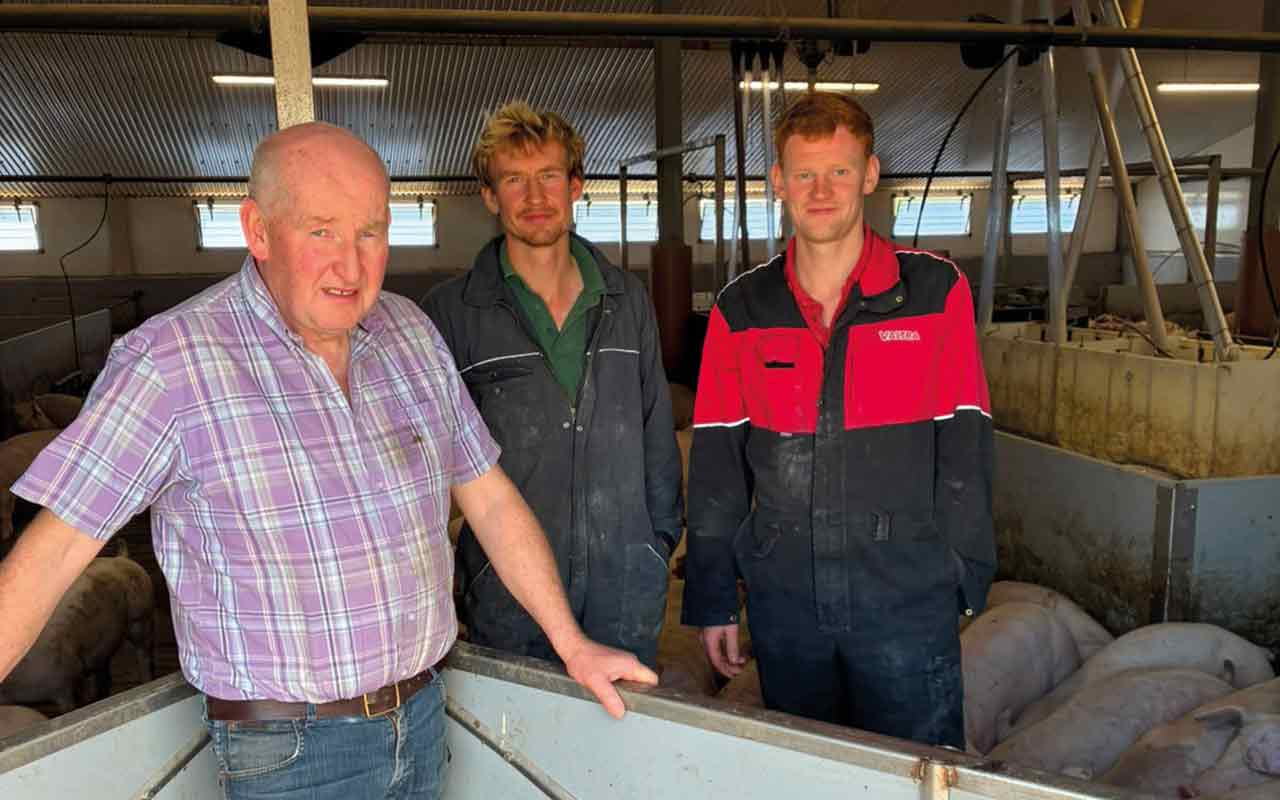
As reported in the July issue, about 40 pig farmers in Northern Ireland have been served notice on their contracts with Sofina Foods since the end of last year, with the effects set to be seen from the autumn.
There could be 3,000 pigs a week on the market without a destination by the end of the year, according to County Tyrone producer Glen Cuddy, the Ulster Farmers Union’s (UFU) deputy president.
UFU has raised its concern with supermarkets, including in a meeting with a Tesco representative, who ‘gave UFU a fair hearing and reaffirmed its commitment to Northern Ireland produce and local sourcing’, according to the union’s vice-president, Clement Lynch. “We were also encouraged to hear Tesco state that its commitment is with primary producers,” he said.
Mr Cuddy said little had changed in the past few weeks in terms of the outlook. “Sofina has made it clear it won’t change its mind about the contracts, no matter how many meetings we have with them,” he said.
He said producers’ response to the situation was a mix, with some people determined ‘to keep on going in the hope everything would be OK’, some, like himself, cutting back on numbers – in his case by 30-40% – and others getting out altogether.
“I was with a farmer the other day who was putting all his pigs into Sofina. He got his notice two months ago,” Glen said. “His money is all tied up in pigs and he is going out of business completely because no one else wants his pigs. He told me he couldn’t take the chance now and he was definitely going to have to stop serving.
“Our big gripe is that pigs are continuing to come in from the south – and there may be a protest at the factory gates as a result. It’s very ironic that farms beside the factory are closing, and pigs are coming from as far away as Waterford.”
Sofina said Cookstown ‘has always been the processing site for its Republic of Ireland and Northern Ireland pigs to serve their respective markets’.
Democratic Unionist Party MP Jim Shannon said the ‘fantastic, resilient, yet deeply struggling’ pig industry was a cornerstone of Northern Ireland’s economy. “As I stand here today, however, our independent pig farmers are facing an existential crisis,” he told MPs. “Our farmers have battled skyrocketing input costs: feed, energy and fertiliser prices have gone through the roof.”
Citing ‘severe contract reductions and reductions in weekly slaughter volumes’, he said Northern Ireland’s independent family farms were being ‘left adrift in a sea of commercial uncertainty’
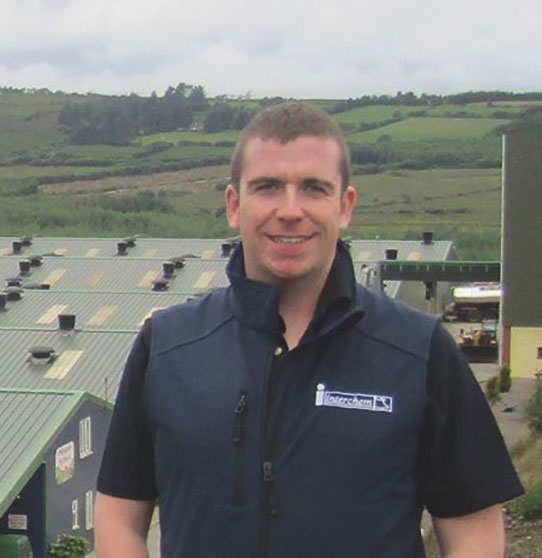
Farmers in the Republic of Ireland are struggling, too, according to Shane McAuliffe, part of a family pig farm in County Kerry.
“Pig prices in Ireland are below the cost of production again, following two successive weeks of 6-eurocent drops in early July,” he said.“Producers now average about €1.70/kg, with the break-even sitting at about €1.85/kg. This is a 30% drop compared to their peak in July 2025.
“The falls are blamed on the increased volumes of cheaper Spanish pork being imported into the UK, our biggest market. Our pig throughput is also about 4% higher, which is placing downward pressure on prices.”