



The current market turbulence comes in the run-up to the August 13 deadline when all pig contracts must comply with the Fair Dealing Obligations (Pigs) (FDOP) regulations.
Some within the industry have wondered if the two are connected, if there is an element of wiping the slate clean before the regulations come in. Processors insist this is not the case.
It is certainly not an ideal time for producers to be negotiating new contracts, but the regulations are designed to provide the extra level protection producers need, while also being workable for pig buyers.
The FDO regulations became law in August 2025, requiring all new pig‑purchase contracts from that date to be in writing, signed and to include clearly defined terms on pricing, duration, volumes, termination and dispute resolution. This will apply to all contracts from August 13 and processors and producers are being urged to ensure they are ready.
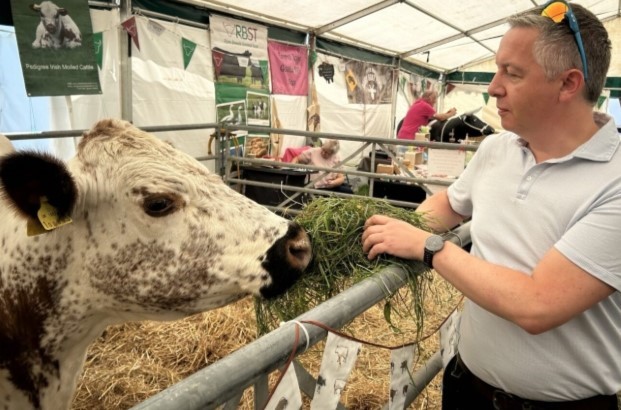
The man responsible for overseeing the government’s Fair Dealing regulations, which currently also apply to the dairy sector, is Richard Thompson, the agricultural supply chain adjudicator (ASCA). He joined the NPA stand at the British Pig and Poultry Fair to discuss the forthcoming changes with visitors.
“It is important that processors and producers understand the requirements of the FDOP regulations and what changes you may need to make ahead of the deadline,” he said.
“There is further guidance on our website and sector bodies may also have their own guidance available on how to comply. Good communication is essential, so producers know why the changes are being made and are given plenty of time to review and sign new contracts or contract variations.”
Raising concerns
If producers are concerned their contract is non-compliant, or they don’t have a written contract, they can get in touch with Mr Thompson or complete a form on the ASCA website and send to asca@defra.gov.uk.
“However, a lot of work we do with issues raised to us is in the more informal space – I’d recommend producers get in touch as early as possible if they are concerned about their contract. One of my team will then pick this up and reach out to have a chat to find out more and discuss how we could help,” he said.
“We will only raise issues with processors if producers are happy for us to do so, and if producers are really worried about coming forward, they can contact our in-confidence service anonymously at asca-in-confidence@defra.gov.uk.”
Mr Thompson and his office are also happy to meet with processors to explain how they work and answer any specific questions.
Pig market pressures
He said he was fully aware of the pressures the pig sector is under. “It’s always unfortunate to hear producers being given notice. Obviously, current contractual conditions apply on existing contracts until the new regulations come into force, at which point we expect all contracts to be FDOP compliant, either through agreed variations or by new contracts being issued,” he said.
“We always advise parties to consider independent legal advice if they feel conditions in their contracts are not being met.”
He meets regularly with policy colleagues who have developed the regulations to provide feedback about what they’re hearing from the different sectors.
Lessons from dairy
The dairy FDO regulations came into force some time before the pigs version – and there are some lessons to be learned, Mr Thompson said.
“It sounds really simple, but communication, communication, communication is the key. This is essential for a successful working partnership in any industry – a lot of issues we see are when there has been little to no communication, especially around times of pressure or where contracts may need to be varied.
“If both parties understand where the other is coming from it can make a world of difference, so I would always encourage processors to meet regularly with their producers to share information and to listen to what is and isn’t working well.”
“The insights and data we have been able to get from the dairy sector from our surveys has also been invaluable in helping us to understand the position of the sector and tailor our support accordingly.”
With this in mind, Mr Thompson will be launching a pig sector survey to hear directly from those involved in the pig supply chain. It will seek insights and feedback from producers and processors about their awareness of the regulations, the functions of the ASCA and relationships between parties in the sector.
Compliance
At the BPPF Pig Outlook Forum, Pilgrim’s Europe operations director agriculture Fabio Brancher said the company was working hard to ensure contracts are compliant with the regulation by the August 13 deadline, with ‘92-93%’ of the company’s third-party farmers having signed the new contract.
“We have had a discussion with our legal and compliance team to put everything in place to be fair to the contractor, to us and for the farmer,” he said.
NPA chief executive Lizzie Wilson said there was little evidence contract terms are being breached. She urged any producers who have concerns to contact the ASCA.