



The UK’s independent pig producers are, once again, staring at a deeply uncertain outlook, following what has been described as an ‘unprecedented’ realignment of supplies by the big processors.
It’s a complex story, with many factors driving the market downturn, and many different theories running within the sector as to exactly what is going on. The only thing that everyone agrees on is that they can’t predict how it’s all going to pan out.
For much of this year, the situation had largely been seen as another market downturn, driven by a combination of unwelcome factors conspiring simultaneously.
Higher supplies on the back of improved productivity, good autumn growth rates and, according to some, a few extra sows, have coincided with an EU market downturn, exacerbated by Spain’s African swine fever outbreak, putting huge pressure on UK prices, and ‘flat’ demand. The oversupply was compounded by autumn factory issues, resulting in a prolonged backlog, which has further pushed weights up, in turn increasing pigmeat supplies.
To add to the mix, costs, which had been stable for a long time, are rising again on the back of the war in the Middle East.
Nonetheless, with clear signs the backlog is now easing and hopes of a summer uptick in demand, until recently there was hope that this would pass – and the sector would get through largely unscathed.
But that qualified optimism has rapidly disappeared as notice has been served on numerous pig contracts, in some cases reducing pig numbers, in others terminating supplies altogether.
The initial headlines arose after it emerged that Morrisons’ Woodheads abattoir in Lincolnshire, part of the Myton Food Group, had given notice to a significant number of pig producers, including some longstanding suppliers and at least one very large producer supplying a lot of pigs each week.
A spokesperson for the Myton Food Group said: “Due to the challenging economic climate, Woodheads is consolidating its processing volumes and as a result has made the difficult decision to reduce the number of pig producers in its supply chain.
“We understand the impact this news has on individual farming businesses, and our goal is to handle these exits with as much clarity and fairness as possible.”
The other ‘big three’ processors have all, to varying degrees, given notice to pig producers over recent weeks and months.
Sofina Foods, for example, was challenged to commit to independent pig production in Northern Ireland, after giving notice to producers there, while Pilgrim’s Europe and Cranswick, albeit largely around the turn of the year, have also informed some of their producers that supplies are to be terminated or reduced.
Suppliers to the Brechin abattoir in Scotland, owned by the Browns Food Group, have also been badly affected by the downturn.
Producer views
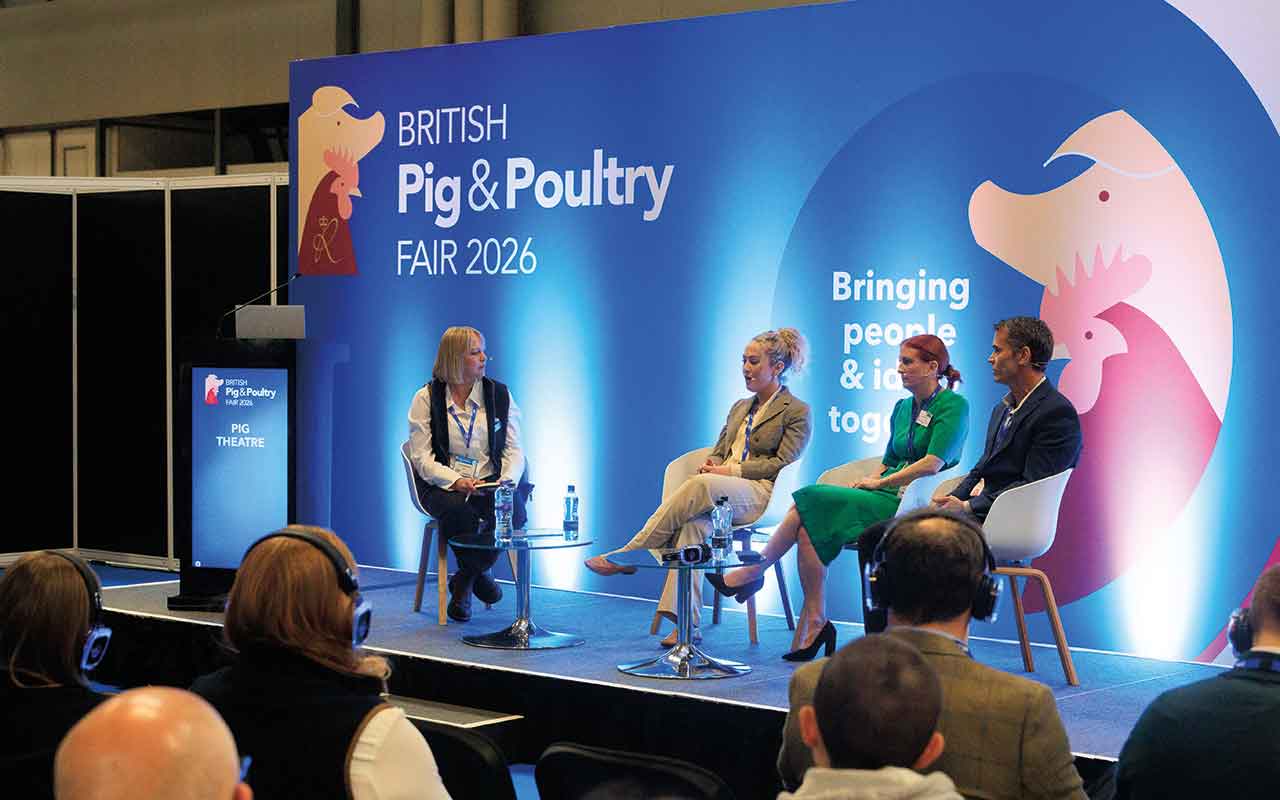
In an industry with no shortage of ongoing talking points, the topic, predictably, dominated discussions at May’s British Pig & Poultry Fair (BPPF). These highlighted how different producers are currently in very different positions, depending on their supply and pricing arrangements.
“Sh*t!” was the short, sharp response from one producer when asked how things were going. They’d recently been given notice that their pigs were no longer wanted by one processor, while, at the same time, coping with an uncomfortable backlog, falling prices and rising costs.
Another suggested the current situation was as bad as experienced in 2021 and 2022, and suggested processors were taking advantage of current market conditions to bolster their position relative to the independent sector.
Another described how a recent batch of pigs, sold outside of the big abattoirs into a depressed market, were ‘dumping out’ at £1.25/kg, with additional haulage costs of 7p/kg to send them to ‘an abattoir that will take them on the other side of the country’. Currently sustaining heavy losses, they are considering their future in the sector.
One highlighted the logistical and welfare difficulties of keeping extra young pigs on farm, with rearing farms in their supply chain full up. “The big problem is a lack of finishing space,” they said.
Others, depending on their supply and contract arrangements, report being relatively unscathed. One said their processor was treating them well – backlogs were minimal and their price was fixed just above the SPP.
There are, indeed, vastly different prices being paid for pigs – including some below 140p/kg – and very different views on them, ranging from an acceptance of a supply-and-demand-related dip and pressure from EU prices to grumblings about how processor ‘shout prices’ are being used.
A common theme – in relation to some processors more than others – was a lack of communication. “The silence is deafening,” one producer said.
Many are somewhere in between, with one describing the situation as ‘very difficult, but nothing the sector hasn’t endured before’. “You’ve just got to get on with it and come out the other side,” they said.
Many questions
It has all raised many question, based around two common themes – exactly why this has happened and what the industry, particularly the independent sector, will look like six months to a year from now.
It is not at all surprising that a combination of oversupply versus flat demand leads to a readjustment of supply arrangements. But it is the scale of it in such a short space of time that is puzzling some.
“Independent producers are incredibly nervous at the moment,” said one industry figure involved in the marketing of pigs.
“I have spoken to a lot of the people who have been in the industry longer than me and they have never heard of all four major processors giving notice at the same. It was unforeseen and it is unprecedented.”
He pointed out that retail demand was broadly static over the past 18 months and most big retailers have openly stated their desire to support British pig producers. AHDB’s Porkwatch figures continue to show historically strong retail support for British pork products. “Yes, more pigs have been produced in the UK and EU and weights are heavier, but are we really eating that much less pork with a growing population to justify such a big cut?” he said.
Morrisons, recently overtaken by Lidl as the fifth biggest retailer by market share, is the only retailer to slaughter and process its own livestock. There was much discussion and speculation at BPPF as to whether the scale of its producer cull was linked to the future of its multi-species abattoir in Lincolnshire. Morrisons declined to comment when this was put to it.
Another theory doing the rounds was whether the imminent August deadline for compliance with the Fair Dealing Obligation (Pigs) regulations could be a factor. Privately, the processors refute this.
Uncertain outlook
Unlike in the past, the state of the market means it is proving very difficult for some producers who have had numbers cut to find a new home for their pigs.
Producers across the UK and EU have been responding to the downturn by trimming herds – there was a 16% year-on-year increase in UK sow slaughterings in April, Defra figures show.
The situation is leaving some with difficult decisions about their herds – to stay where they are in the hope that the market rights itself and processors begin increasing numbers again, to trim them back or even to get out altogether?
While there is no question that independent pig production can, over time, be a sustainable business financially, when you add in concerns over farrowing and other future legislation, activism and more, the uncertainty is testing people’s faith.
The marketing industry figure suggested that while the market could naturally find its equilibrium in the next few months if correct judgements have been made, the current surplus could be followed by a longer-term shortage, if many more producers tire of the volatility. Processors could even find themselves short of pigs.
Speaking during the BPPF Pig Outlook forum, NPA chief executive Lizzie Wilson said it was impossible to gauge how it will play out in six months when the contract decisions start to take effect.
“Will supply have tightened enough and will demand have gone up enough? We may have lost some producers and others may have reduced herd size.
“It might be that, actually, some of these contracts will be renewed, and we’ll find ourselves in a better position – or will it be carnage? I really don’t know. It has been an unfortunate sequence of events.”
Backlog progress
One glimmer of better news is that there appears to be progress on the backlog, with national slaughter numbers up and, in recent weeks, slaughter weights falling consistently.
Also speaking at the Outlook forum, Pilgrim’s Europe’s operations director agriculture Fabio Brancher said the company had put on nine extra Saturday kills and, in the past few weeks, was killing for an extra 30 minutes each day. He said the company slaughtered a record 48,000 pigs in its abattoirs in the week before the fair, compared with a typical 43,000 head.
“I totally understand – it is not good for farmers, it is not good for us and it’s not good for the customers,” he said.
Stressing that it was an industry-wide problem, he highlighted the effect of low European prices and ‘too many pigs’ being in the system, after producers increased sow numbers. But he said Pilgrim’s was working hard with its farmers and third-party producers to reduce the backlog.
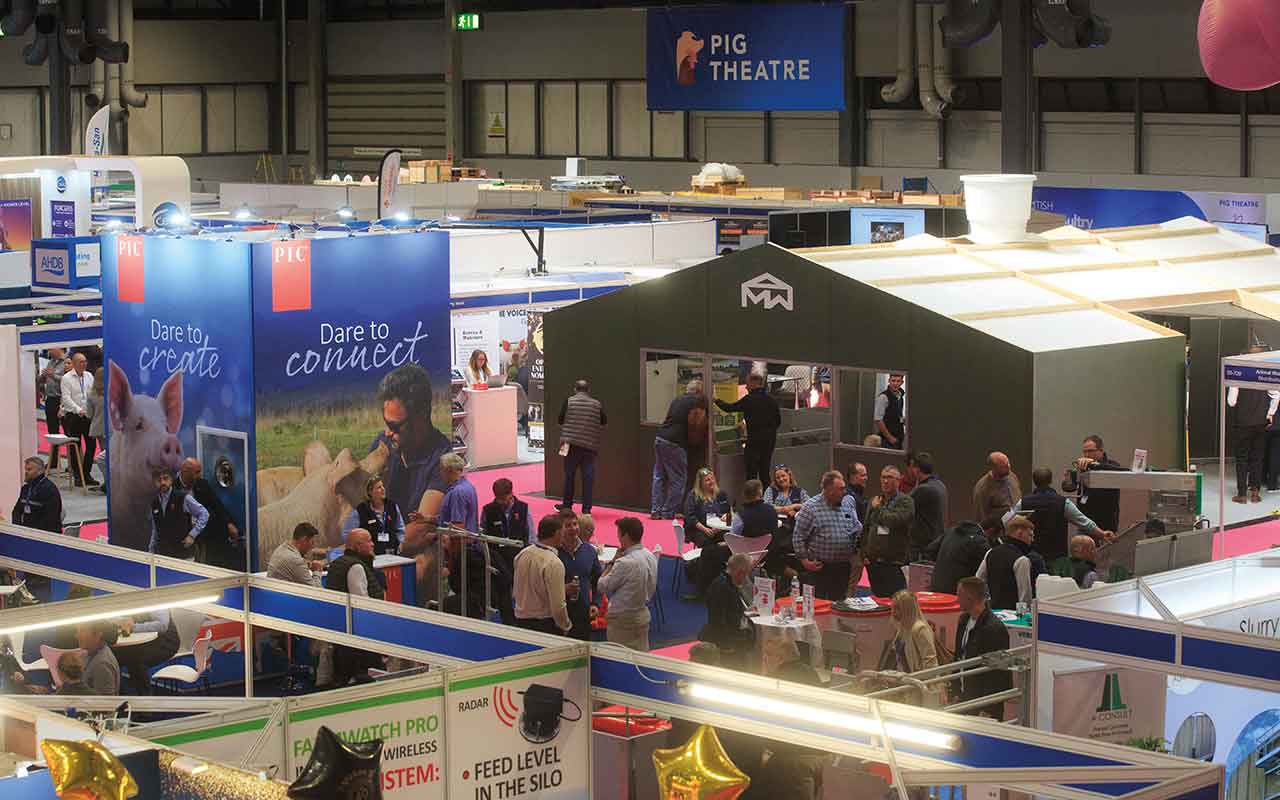
But with the price still falling and uncertain future supply arrangements for many, much of the talk during and since the BPPF has focused on the future of the independent pig sector and its position alongside the big corporate players – just a few years on from the last big shake-up.
The NPA called on the supply chain to provide long-term commitments to the ‘under-pressure independent pig sector’.
Mrs Wilson said: “We are extremely concerned about the position our independent pig producers once again find themselves in. Many are currently fighting for their futures. The last crisis saw a number of independent farms leave the sector and, while we have seen more stability since then, the inexorable rise of the integrated sector has continued as processors have acquired more independent producers.
“We understand the market context and, while we would like to see more transparency on pricing, as far as we know, contract terms around notice periods specifically have been adhered to.
“But our big fear is that if we lose more independent producers, we will begin to lose critical mass in terms of the suppliers and industry around them.
“We call on retailers, processors and the foodservice sector to restate their commitment to British pork and, in particular, our under-pressure independent producers. That means ensuring pigmeat is priced fairly and taking a longer-term view when it comes to supply arrangements, including giving producers incentives to invest.
“Losing more independent producers will only make the UK even more reliant on imported pork.”
The NPA has written to farming minister Dame Angela Eagle outlining the problems independent pig producers are facing and seeking an ‘urgent industry roundtable’.
Collaboration
Since the last big crisis, the supply chain has, in parts, taken a longer-term view, with more cost-of-production contracts and, in some cases, incentives for investing in welfare, such as flexible farrowing, and sustainability. The recent extension of Tesco’s of Sustainable Pig Group is a good example of this.
But it has become clear recently just how vulnerable many independent producers remain.
Graham Wilkinson, Sofina Foods’ group agriculture director, said he ‘endorsed the NPA’s call. “Many of our pig supply partners are independent farmers and we recognise the pressure they are under,” he said.
“As a vital part of the industry, they are central to the strength and future of domestic pig production, and we are committed to working with them to ensure they have a sustainable future. It is only through genuine collaboration that we can achieve this.”
He highlighted the recent launch of the Sofina Connect programme ‘to bring farmers and customers closer together and take decisive action that helps producers respond to market pressures, improve resilience on farm and move the dial across all areas of pig production’.
“Taking this more joined-up approach across the supply chain and by sharing risk more effectively, we can help build more resilient farms and support the long-term viability of UK pig farming.”
A Cranswick spokesperson said: “We are aware of the increased pressure facing independent producers and recognise the important role they continue to play in the sector.
“We are meeting all contractual obligations we have with our supplying farmers and remain committed to working in partnership to support a stable and sustainable UK pig supply chain.”