



In a feature in the March issue of Pig World, AHDB offers advice and tips on the best ways to make rotations work for both landlords and outdoor pigs.
The benefits outdoor pigs can bring to the environment and the land are well known among outdoor producers, but are landlords and arable farmers equally aware of them? If producers could sell the positives and forge stronger relationships with landowners, there might be more opportunities for both parties to benefit even further.
Around 40% of the English breeding herd is kept outdoors and, while this figure is significantly smaller for the finishing herd, it represents a large proportion of the industry. Finding enough suitable land can be difficult and, even when it is found, the timing for getting on to it is often far from ideal.
Making it work with landlords
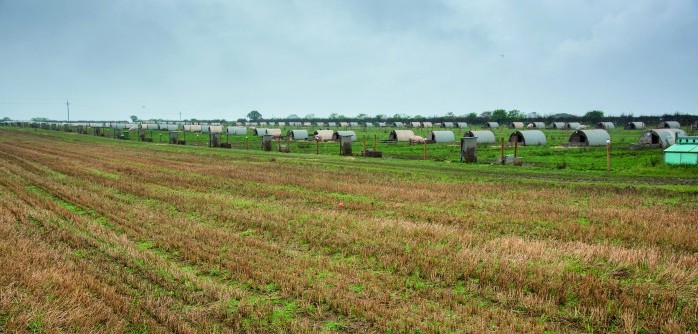
Outdoor producers Ian and Michael Baker, from North Farm Livestock in Norfolk, typically take on land at harvest. They don’t necessarily move onto it then, but the landlord has usually identified the land they’re moving on to, so he does nothing with it and gives them time to prepare the ground ahead of moving the pigs – this usually involves drilling a grass ley.
“We like to have a full grass ley established before we go on to the site,” said Michael, who uses a pig seed mix that is hardy and grows back well and, where conditions permit, also includes wild flower mixes.
“Preparing the land in good time helps with water retention, meaning there is less run-off and it’s better for the stock,” he said.
North Farm Livestock runs its finisher site on a checkerboard system over a two-year period. The land is divided into segments, which are plotted on to a site map and these segments are ‘flipped’ every six months, which means pigs are never on the same land twice and it gives the grass a chance to recover.
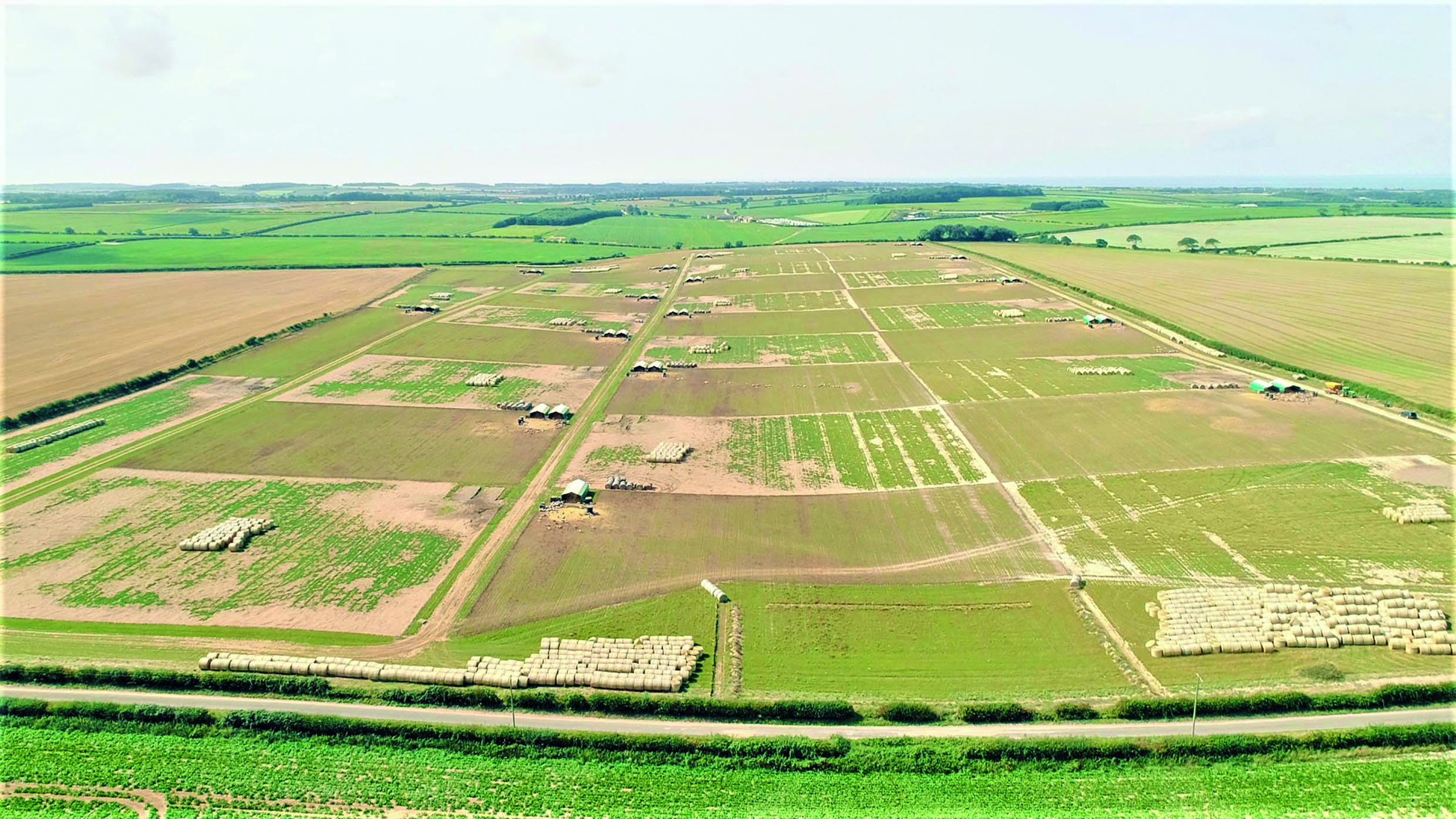
Ian said: “Even if it looks like a paddock has been completely destroyed, once pigs move off, provided the grass was sown early enough, it will recover.
Pigs are often followed by a root crop, such as sugar beet or potatoes, and from the landlord’s perspective, it’s a beneficial rotation to include – the fields are put back to how they were once the pigs move off and the ground is subsoiled and made ready for the next rotation. The landlord also sees improvements in soil structure and nutrient levels following the grass ley and the pigs, with improved water-retention properties.
Working together
Over the last five years, AHDB has held a number of meetings to bring together producers, landlords, arable producers and other key stakeholders, including the Environment Agency, Anglian Water, Norfolk Rivers Trust and Catchment Sensitive Farming (CSF), to look at ways they can work more closely together to benefit each other and the environment. The levy body has also produced a guide aimed at managers of arable-based systems who are thinking about livestock opportunities for the first time.
The AHDB meetings have had a progressive approach, with forward-thinking and early adopters from the industry attending, both in terms of landowners, producers and the integrators they supply.
Andrew Palmer, AHDB knowledge exchange manager, said: “By thinking a bit further ahead and not just about the period pigs are going to occupy the land for, it means that key steps can be implemented to optimise the conditions for pigs, the following crops and the local environment.”
What does this mean in practice?
Some producers have begun taking on land nearly a year before their pigs move onto it to establish a strong grass sward (pig mix).
Good ground cover is vital to reduce surface run-off during periods of heavy rain and the difference it can make to the surrounding paths and roads should not be underestimated.Similarly, positioning tracks and gateways in sensible locations will also have a huge impact during wet weather – take time to think about this before moving on to a site.
When land is taken on early, this obviously comes with a cost, so examine your options. “To help with the additional rent, period partnerships with other enterprises to cover seed and establishment costs have taken off, such as for grazing or forage cropping. In some cases, ‘greening payments’ can also be received from integrators,” Mr Palmer added.
Where access to new sites is limited, one option is to use a rye/vetch mix. This is quick-growing and forms a short-term green cover crop, which will help to stabilise soil and, if left for long enough, will produce some wildlife-friendly pollen and nectar.
Another outdoor producer told Mr Palmer that his year runs from September to September, with grass drilling performed straight after harvest. His pigs occupy a rented area of land for a two-year period before moving to a new site.
The producer said: “To be able to move the pigs on to an established grass ley, a separate equivalent area of land needs to be sown around a year in advance.
“So during year one, I pay rent only on the land occupied by the pigs and in year two, I pay rent on both the occupied land and the area sown with grass.”
At this point, it appears the producer is out of pocket, paying for land that his pigs aren’t actually on. However, it is possible to make some money from the additional rented land by taking ownership of the grass crop.
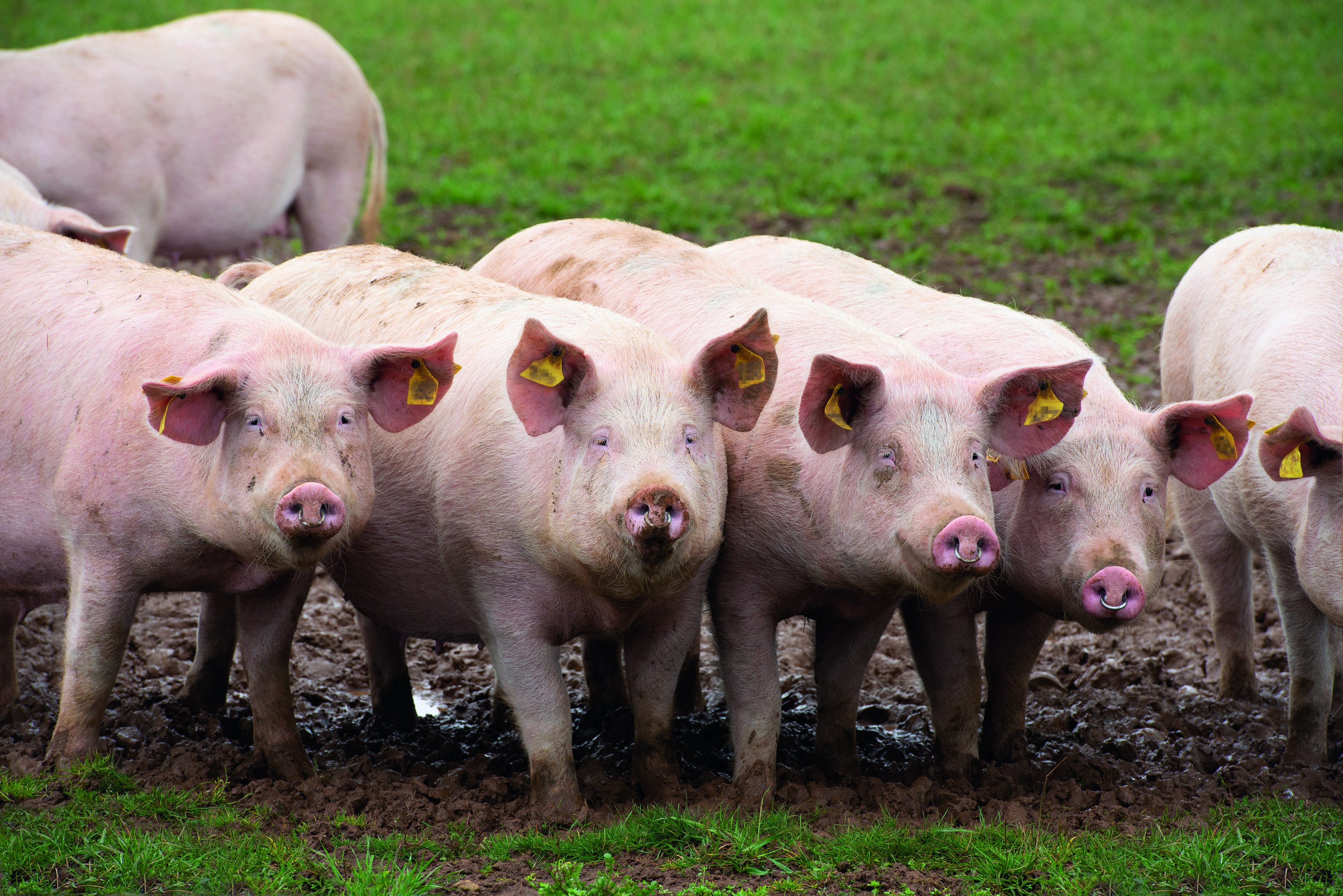
The producer said: “I have an agreement with a local cattle farmer and the crop is sold forward to him. He has input into the grass mix I sow and is responsible for the harvest. I buy the seed, drill, spray and fertilise. Payments are made on a bale-count basis and I generally hope to get two good cuts before I move the pigs onto the land.”
If the second cut can take place around June, it means pigs can get onto the site before the weather turns, making it easier to establish the site and tracks. This, in turn, should minimise machinery repairs and can help with staff retention – an established grassy site is much more pleasant to work on than a muddy one. While probably not a big earner, this system will bring benefits to all parties, the environment and wildlife.
Expert advice
At a recent meeting in Newbury, hosted by AHDB, producers and landowners heard from Fiona Pearce (Southern Water), Andrew Russell (CSF), Richard Barnes (Kings Crops) and producer Simon Watchorn. They all agreed that there are both short-term and long-term benefits of including livestock and grass in arable rotations, but also stressed a need for honesty.
Mr Russell said: “There can be issues, and mitigation measures may be needed to manage the land in wet weather.”
Producers were advised not to hide the fact that land isn’t going to look fantastic all year round, but to highlight how you manage this, from digging dry ditches and sediment traps, to using feed mats and ploughing furrows at the bottom of slopes to slow run-off and prevent it running onto tracks and roads.
The speakers also all recommended getting in touch with local representatives from water boards, CSF and the Environment Agency to find out whether there are any funding opportunities related, for example, to water management or wildlife.