


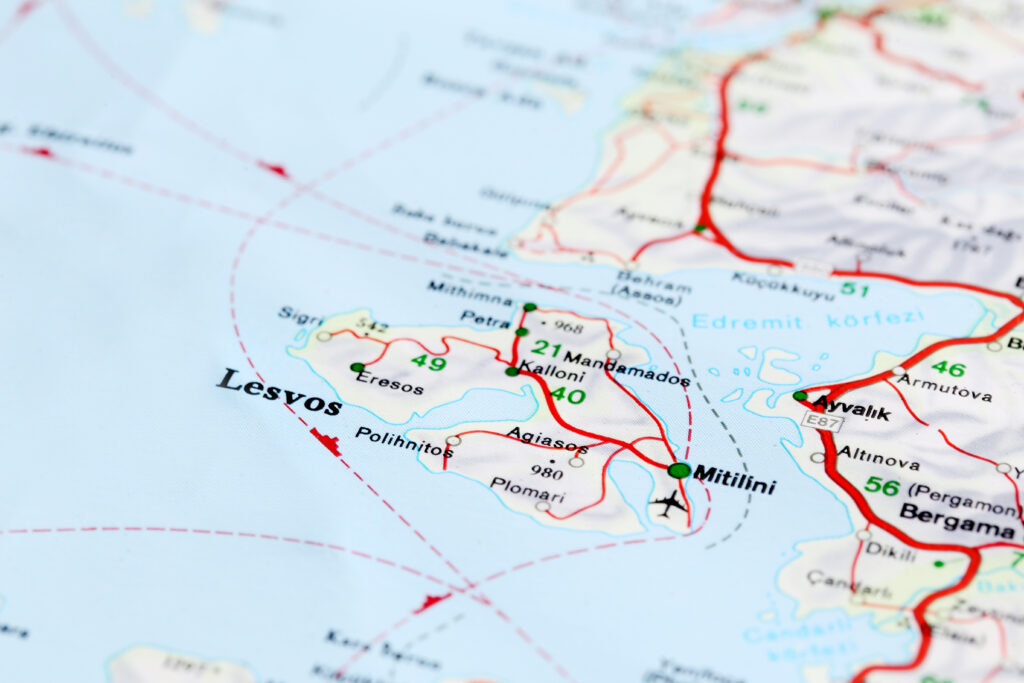
The UK’s Chief Veterinary Officer is urging livestock keepers to remain vigilant for the clinical signs of foot-and-mouth disease (FMD), following the confirmation of the disease in a cattle farm on the Greek island of Lesvos.
Nine cattle out of 288 suspectable animals (38 cattle, 250 sheep) tested positive on a farm close to the town of Pelopi – the first occurrence of FMD in Lesvos since 1994, and the first in Greece since 2000, according to the NFU’s BAB office in Brussels. The entire island has been designated a restricted zone, with animal movements off it banned.
The Greek outbreak was confirmed as fellow Mediterranean island Cyprus continues to battle the disease, with 38 farms affected and more than 15,000 animals culled – 14,000 sheep and goats and around 1,100 cattle, according to the latest reports. There are also reports that veterinary teams carrying out legally mandated inspections and culling operations are being obstructed, confronted, and in some cases physically assaulted by farmers resisting the response.
UK response
The UK government banned imports from Cyrus in late February and responded to the Greek outbreak today by imposing restrictions on certain Greek commercial imports to Great Britain which it said were necessary to mitigate the risk of disease and to safeguard UK livestock, agricultural production and biosecurity.
The restrictions cover imports of hay and straw, live animals of FMD-susceptible species such cows and sheep, germplasm, fresh meat, meat products unless appropriately heat treated, milk and dairy products unless suitably treated, and animal by-products such as pet food.
Commercial imports of milk, colostrum and their products, including feta and yoghurt, are only permitted where the products have undergone the required heat treatment and are accompanied by the mandatory health certificate.
Personal imports of meat and dairy from the EU remain prohibited in line with restrictions brought in last year.
You can read more about the import restrictions here.
Defra said the UK will continue to apply proportionate, science-based measures to protect animal health while facilitating safe trade.
UK Chief Veterinary Officer Dr Christine Middlemiss said Defra was in contact with its European counterparts ‘to understand the latest situation’.
“Robust plans are already in place to minimise the risk of disease incursion to support Britain’s farming community and food security,” she said.
“Livestock keepers are urged to continue exercising the upmost vigilance for signs of disease, follow scrupulous biosecurity and report any suspicion of disease immediately to the Animal and Plant Health Agency.”
Since April 12 2025, travellers have been banned from bringing cattle, sheep, goat, and pig meat, as well as dairy products, from EU countries into Great Britain for personal use. This followed a rise of disease cases across mainland Europe. All travellers are urged to ensure they are not bringing these products into the country.
What you can do
Clinical signs to be aware of vary depending on the animals, but in cattle the main signs are sores and blisters on the feet, mouth and tongue with potentially a fever, lameness and a reluctance to feed. In sheep and pigs, signs tend to manifest with lameness with potential for blistering.
If you’re an animal keeper, read about how to spot foot and mouth disease and report it.
Maintaining good biosecurity is essential to protecting the health and welfare of herds and critical to preventing the spread of diseases such as FMD and preventing an outbreak spreading.
Foot and mouth disease is a notifiable disease and must be reported. If you suspect foot and mouth disease in your animals, you must report it immediately by calling:
- 03000 200 301 in England
- 0300 303 8268 in Wales
- your local Field Services Office in Scotland.
You can see more information here.