



Defra has announced plans to streamline regulation relating to agricultural pollution, as it published the Water White Paper, hailed as the ‘biggest overhaul to water in a generation’.
The White Paper is primarily focused on the big water companies, setting out ‘clear powers for the new regulator, delivering tougher oversight and stronger accountability for water companies’.
There is also the promise of investment to strengthen water infrastructure, alongside a doubling of funding for local catchment partnerships, empowering local groups to stop pollution before it reaches our waterways
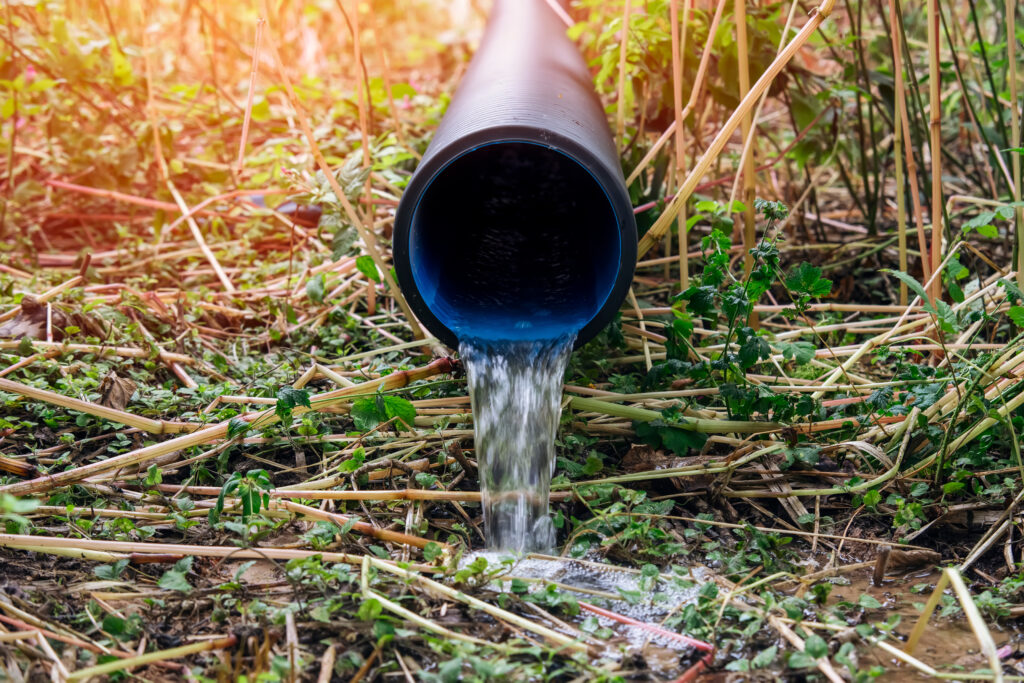
There is a section on agricultural pollution, which states that around 40% of river and groundwater pollution is due to agricultural practices.
“As part of our reforms to the water system, we need to ensure farmers continue to play their part in tackling water pollution, and are fairly held accountable when they do not,” it says.
The document says farmers and land managers have told Defra the current regulations are not creating a clear framework so they can confidently manage their land, soils, and crops.
“Specifically, the current rules are unclear, complex to administer, and inconsistently applied. This means that some farmers doing the right thing and implementing best practice to minimise pollution are disadvantaged.
“We will therefore consolidate the existing regulatory framework into a single set of stronger and clearer national standards. Where necessary, the standards will also be strengthened and extended to bring best practices into regulations to deliver improvements in the water environment and ensure sufficient protections for air quality and soil health.”
Consultation
Defra said it will continue to give farmers, environmental groups, and interested parties a voice in shaping these new regulations through it Addressing Pollution from Agriculture Programme and wider consultation.
In parallel, in early 2026 it will consult on reforms on how sewage sludge use in agriculture is regulated and whether this should be included in the Environmental Permitting Regime.
The Department is also considering extending environmental permitting to cattle farming, to ensure interventions target environmental risks.
Supporting farmers
The document said the government will continue to support farmers to improve their water supply planning and to develop local resource options, to store more water and make better use of water availability.
It stressed that stronger regulation will be ‘a fundamental part of our approach to support farmers to drive down pollution’ and that farmers must continue to meet their legal obligations.
The department is doubling the funding for farm inspections, enabling at least 6,000 annually by 2029, and has already issued amended Statutory Guidance on the Farming Rules for Water setting clear expectations for how they are enforced.
It added that stronger regulation and enforcement will sit alongside the targeted use of Environmental Land Management schemes, the Catchment Sensitive Farming advice programme, and infrastructure grants ‘to help farmers go further in adopting choices that reduce pollution, protect water, and boost their businesses’.
“We will balance food security with environmental protection, working to reduce agricultural water pollution,” the document said.
Commenting more widely on the White Paper, Defra secretary Emma Reynolds said: “These are once-in-a-generation reforms for our water system – tough oversight, real accountability, and no more excuses. Water companies will have nowhere to hide from poor performance, customers will get the service they deserve, and investors will see a system built for the future.”