


decision to rebrand from Uncle Henry’s to the Lincolnshire Pork Co has delivered huge benefits for a well-known Lincolnshire pig farming family.
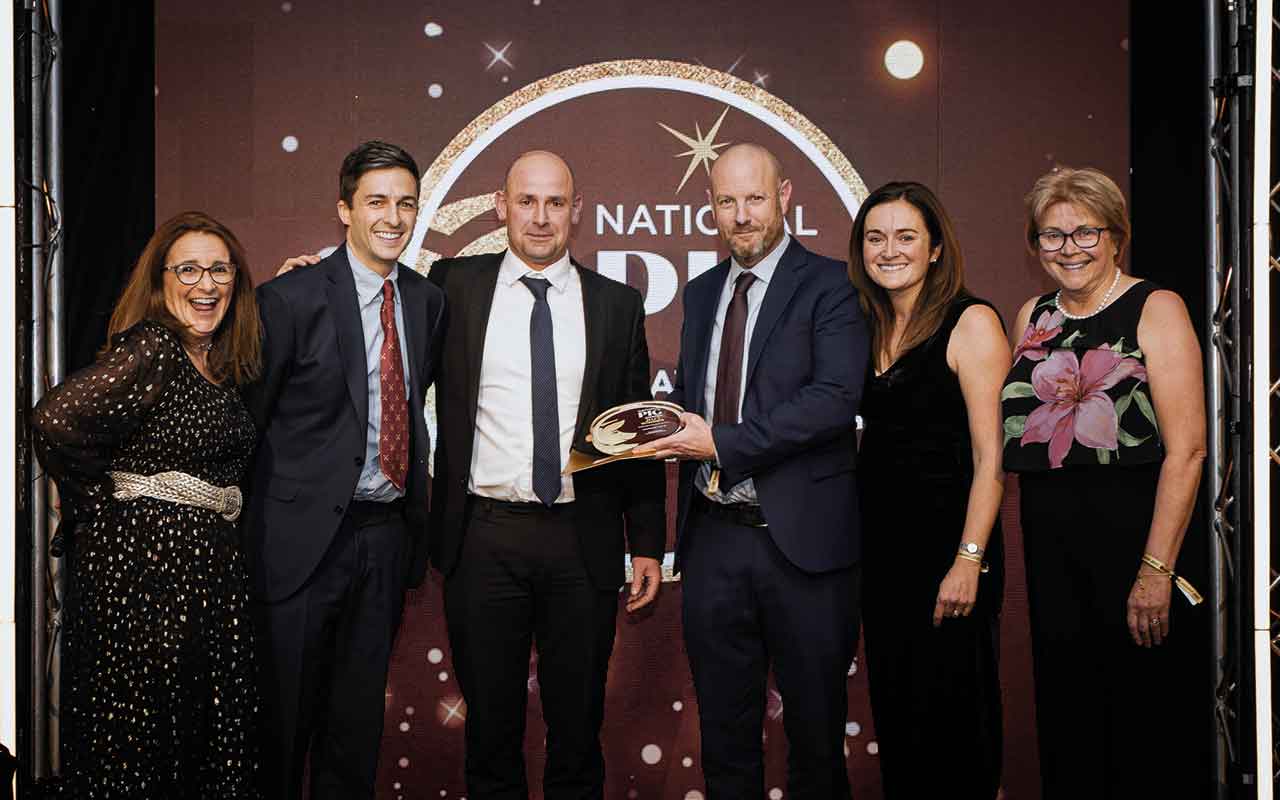
The company’s success, recognised with the Marketing Initiative of the Year award at the 2025 National Pig Awards, is a product of hard work, long-lasting relationships and adaptability, while staying firmly grounded in its original values.
Over the decades, the Ward and Blandford family have continued to invest in a business that benefits the environment, the local community and its employees, as well as the customers it supplies with top-quality pork.
Lincolnshire Pork Co rears and finishes pigs in a high-welfare indoor system, with two 750-sow breeding units rearing pigs to 35kg, before they are moved to deep-straw finishing units, some of which are owned by the company, alongside some contracted bed-and-breakfast units.
Flexible farrowing pens were put in several years ago as part of a major redevelopment of the farrowing and nursery accommodation to prioritise pig welfare and help future-proof the infrastructure.
Each year, the business delivers about 45,000 finished pigs to two processors, supplying both large retailers and local butchers. Some of the carcases come back to Lincolnshire Pork Co’s butchery, where they produce all their own fresh, cured and cooked products, using every part of the pig to maximise carcase utilisation.
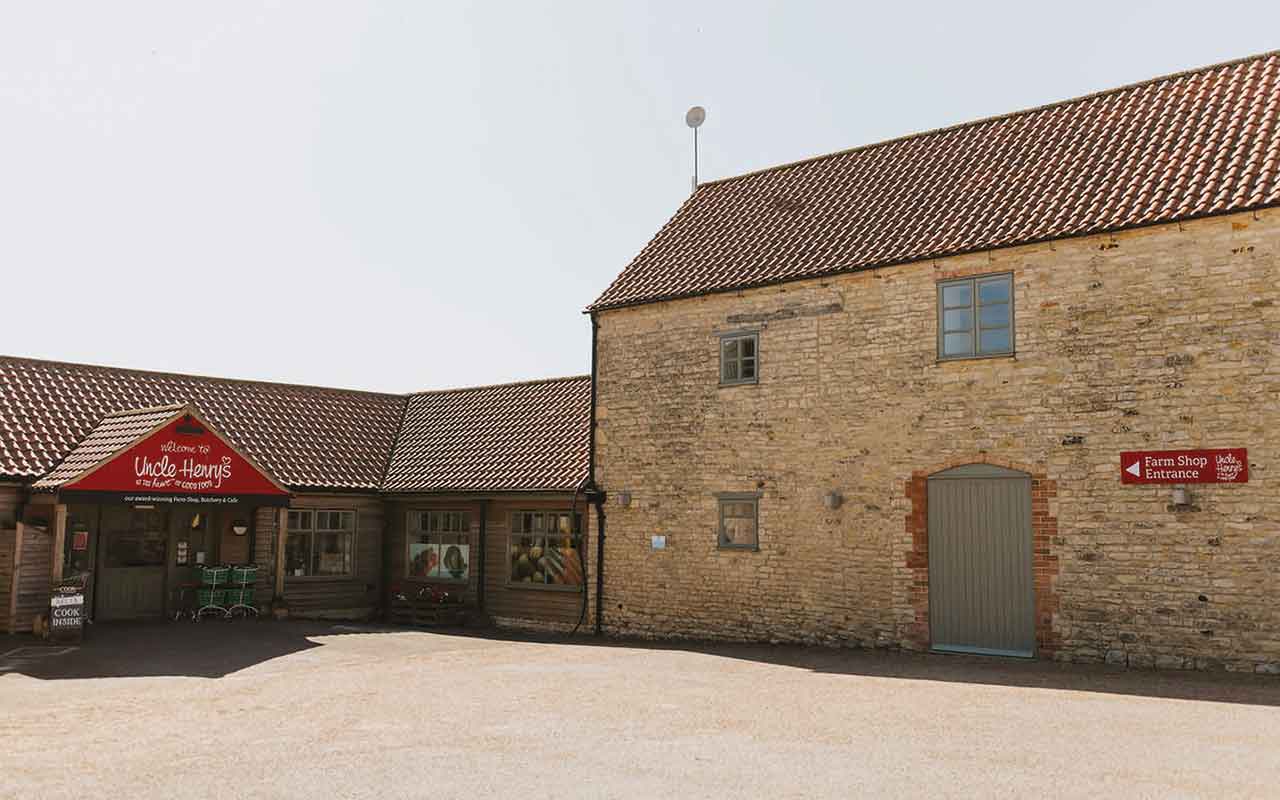
Products are supplied to Uncle Henry’s – their own farm shop and café – along with independent butchers and Lincolnshire Co-op stores in the county.
Rebranding
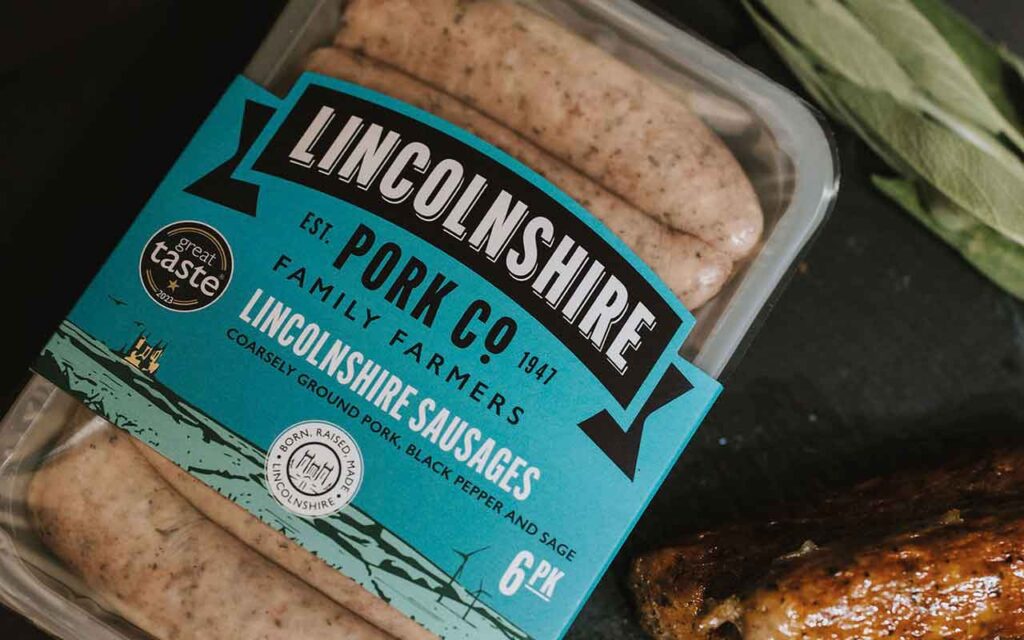
The rebrand to the Lincolnshire Pork Co in 2022 has brought greater clarity and helped position the business and its pork product range for future developments, according to Emma Blandford, one of the company’s directors, who looks after the farm shop and butchery and the expanding range of products.
They had previously supplied pork products successfully under the Uncle Henry’s brand to Lincolnshire Co-ops and butchers in the local area, but the brand did not resonate quite as strongly in the south of the county. Also, because Uncle Henry’s encompasses a butchery, farm shop, café and conference venue, its social media channels had become quite ‘noisy’. “
“We found we were talking about everything from sausages to the maize maze and then saying, by the way, we’re farmers too,” explained Emma. “Uncle Henry’s is a destination and its marketing is very much about visiting us at the farm in North Lincs.”
Lincolnshire Pork Co’s marketing channels and messages are firmly focused on the fact it is a farm-to-fork business, producing high-quality pork products of Lincolnshire provenance – and from a genuinely sustainable farming system.
“We have very local customers and the local aspect and provenance of the pork is a major selling point,” Emma said. “The brand promise is ‘Pork you can trust’.”
Product range
The Lincolnshire Pork Co butchery makes a wide range of cured and cooked pork products, supplying these alongside its sausages and fresh pork cuts. Based at the Uncle Henry’s farm shop site, the business has its own curing room for bacon and gammon, along with facilities to cook hams and delicatessen products.
Bacon, Lincolnshire sausage, caramelised onion sausage, cooked ham, haslets, cooked pork and gammon joints are among their most popular products, plus a Lincolnshire sausage patty that is an alternative to breakfast sandwiches in a burger format.
They supply the Lincolnshire Co-op through Ideal Lincs, a local wholesale food hub for distribution to retailers. “The Lincolnshire Co-op is very supportive and Ideal Lincs has been essential for us and 20-plus other Lincolnshire food producers since it was set up about 15 years ago,” said Meryl Ward, Emma’s mother and a fellow director.
Cookery demonstrations have long been an important part of Uncle Henry’s – and now Lincolnshire Pork Co’s – customer engagement and new product development.
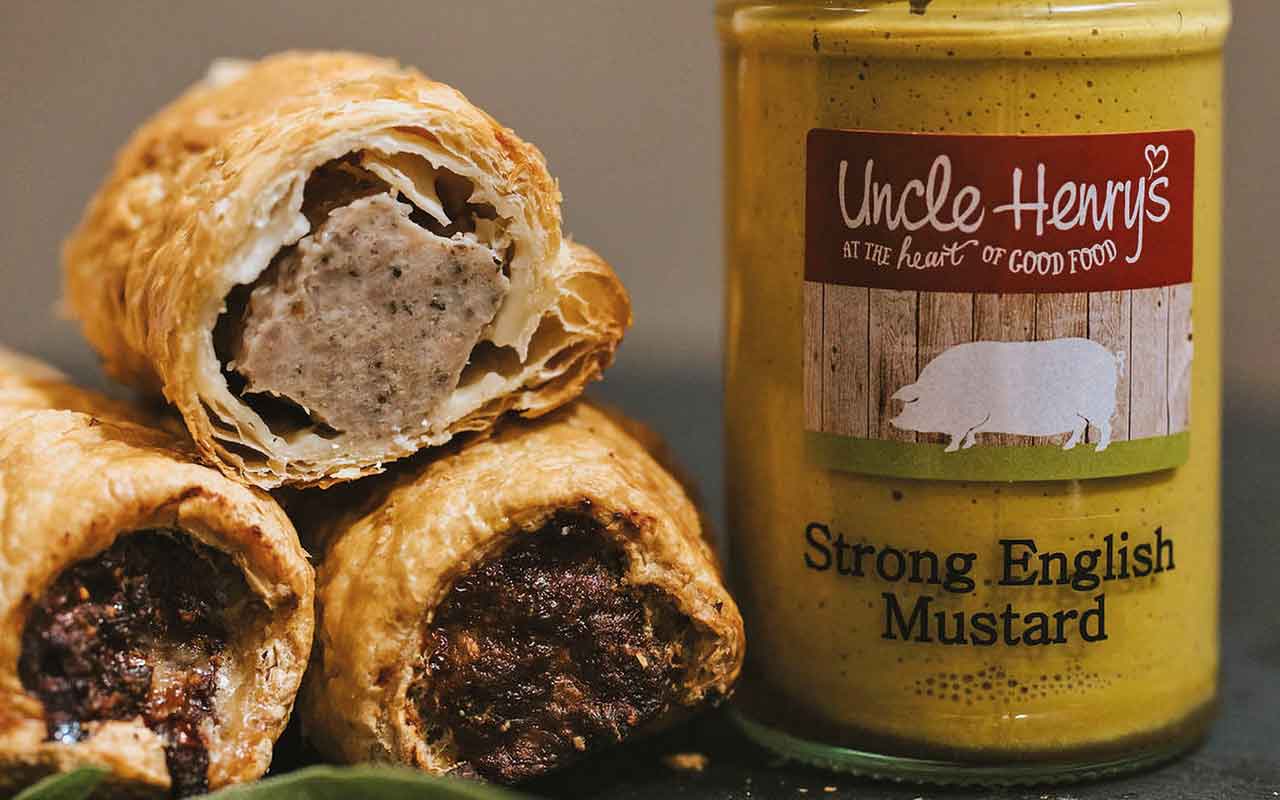
It is a sponsor of the Lincolnshire Show, and Emma and head butcher Jamie Barnes-Mildford are regular demonstrators in the ‘Lincolnshire Kitchen’, showcasing the products and featuring live cookery demonstrations. They also have promotional stands at the Lincolnshire Food and Gift Fair and Lincoln Sausage Festival, with autumn and winter months better suited to fresh product sales.
Jamie trained as a chef, but made an unplanned but lasting move to the butchery when the Covid pandemic meant the café couldn’t open.
“His chef’s experience has been great for creativity in new product development,” said Emma. “We regularly come up with a sausage flavour of the month, which allows us to trial them and get customer feedback.
“They are often seasonal, such as spiced pumpkin or brussels and bacon, and the most popular ones, such as our honey and mustard flavour, are now in the core range.”
The company was recently awarded a two-star Great Taste Award for its fresh pork leg joint, and a one-star Great Taste Award for its Lincolnshire sausage.
True sustainability
The business, also winners of the 2023 Sustainable Farming Award, operates what it terms a ‘sustainable farming loop’. It grows all its own cereals for pig feed as part of the 900ha arable enterprise, with the straw used for bedding, the muck produced used to generate electricity in on-farm anaerobic digesters (AD) and digestate used to fertilise crops.
“When it comes to the environment and sustainability, people want to know we’re not just ticking boxes and greenwashing,” said Meryl. “Our Sustainable Farming Award has been really important, along with our local sustainability awards.”
Together with wind and solar energy on the farm, the AD plant provides heat and power for the pig buildings, farm shop and butchery, plus electric vehicle (EV) charging points for customers and farm vehicles, with any surplus sold to the national grid. The business is 155% self-sufficient in electricity, so it has much greater energy security and protection from energy price volatility.
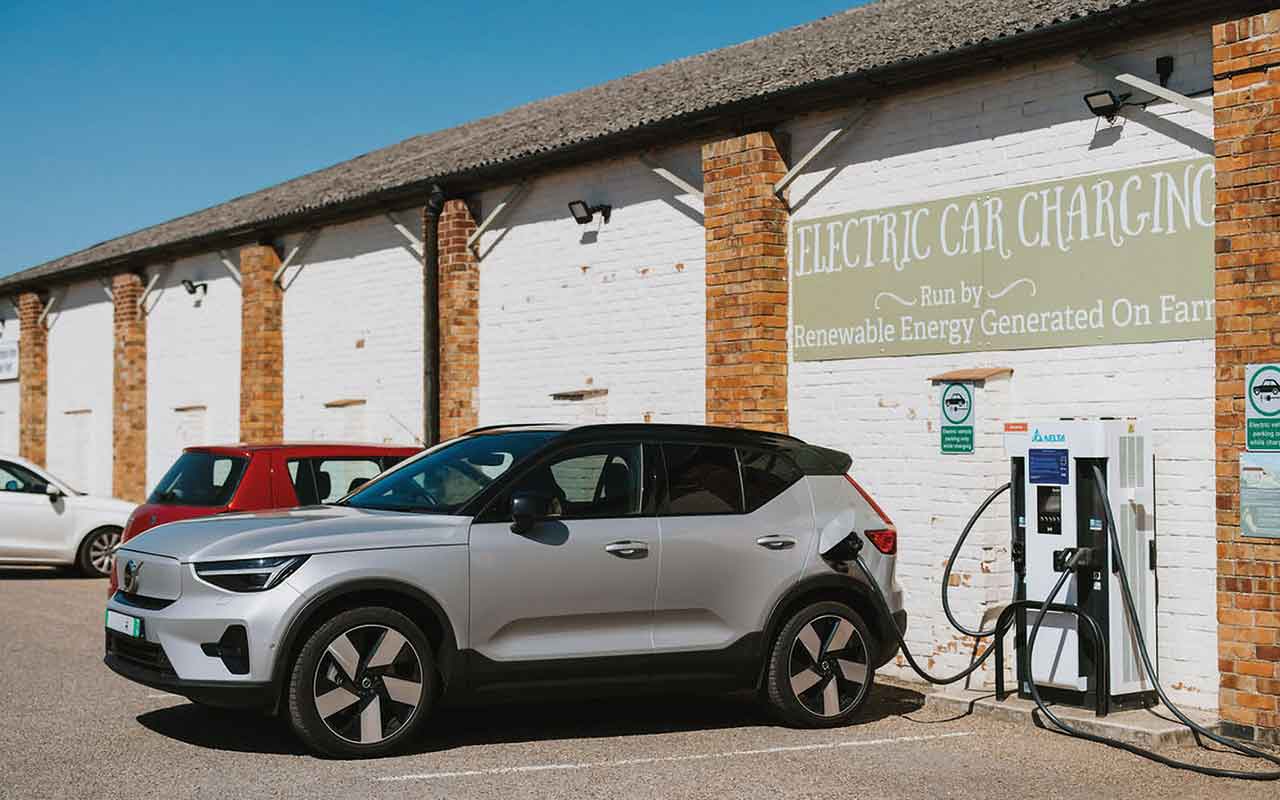
“It resonates very positively when we say farm waste is powering car chargers,” said Emma. “It’s also less expensive to use than other EV charging points.”
The ongoing investment in methods of pig production – and its integration with the arable enterprise – underpins the quality of the pork product and its story in the area.
More modern infrastructure, including a slurry flushing and acidification system and new flexible farrowing pens, is not only enabling the business to manage environmental impact, but also to continue to improve pig health, welfare and production efficiency.
Schools and community
Both Uncle Henry’s and the farm itself welcome members of the local community to help educate, inform and inspire them with their farm-to-fork story.
The new breeding unit was built to include viewing rooms for visitors – including schoolchildren, Young Farmers clubs, Women’s Institute members and allied industry groups – to see directly into farrowing and nursery rooms behind a glass screen, and they have added a viewing window into finisher pig pens, too.
On the Uncle Henry’s site, there is a dedicated classroom for schools with access to an outdoor play area. Teachers really value it and in the past year, 650 children have benefited during 25 visits to the farm.
Environmental stewardship funds have supported a dedicated school visit facilitator to work at Uncle Henry’s, and visits can be tailored for each group.
“It is fully linked to the curriculum – some teachers might want to dig soil pits, while others discuss food from around the world,” Emma explained.
“Tractor and trailer rides to see the pigs are always very popular. We are also a host farm for the Country Trust, the UK’s leading national educational charity connecting children from areas of high social and economic disadvantage with the land that sustains us all.”
Lincolnshire Pork Co was established in 1947 and the development of the business is more about steady progress than rapid growth. Bearing in mind that the pork sausage category is quite saturated across retail outlets, Lincolnshire Pork Co focuses on its farm-to-fork model as its unique selling point, along with the family nature of the business, which people really like.
They have always focused on building strong long-term relationships with employees, customers and suppliers alike. Consistency and longevity are more important than margin for the business. “We do what we say we’re going to do for everyone we work with in each part of the chain,” said Meryl.
However, when they first started producing and selling their own pork, people doubted whether it would work, she recalled.
“We always felt our own pork that we put on our table at home was better than what we could buy elsewhere, and thought we’d try to do that at a larger scale for people locally. We always believed direct relationships with the customer were important, and plenty of happy customers is where it starts for the whole supply chain,” she said.
The family had a lot of support from experienced butchers, including Michael Simpson, a traditional bacon curer who, after he retired, helped set up Uncle Henry’s curing facility. “We also had a lot of help from master butcher Keith Fisher, at BPEX and AHDB, who helped us with customer focus,” said Meryl.
Their primary aim was and still is to produce a quality product and to do that through collaboration and partnerships, looking for ways to support others wherever possible. “Our product quality, provenance, animal welfare and environmental sustainability are the reasons people deal with us.
“It’s frustrating that the wider industry brings in pork from the EU, from suppliers who might be here today and not tomorrow,” Meryl said. “There is nearly always money in the pig supply chain, but each part needs to have a fair and consistent share.”
Beyond Lincolnshire
They would love to be able to translate their brand story for a wider audience, via the main retailers, and the team is excited to have achieved safe and local supplier approval in the butchery late last year.
It is an important step in food safety accreditation and they hope it will enable them to expand their customer base, both within and beyond their home county.
Lincolnshire sausages made entirely from Lincolnshire pork is an offering that will hopefully resonate with customers nationally. “This year we plan to explore other potential opportunities through sale to national retailers, and there is also scope for another attempt to secure protected geographical indication status for Lincolnshire sausages in future,” said Emma.
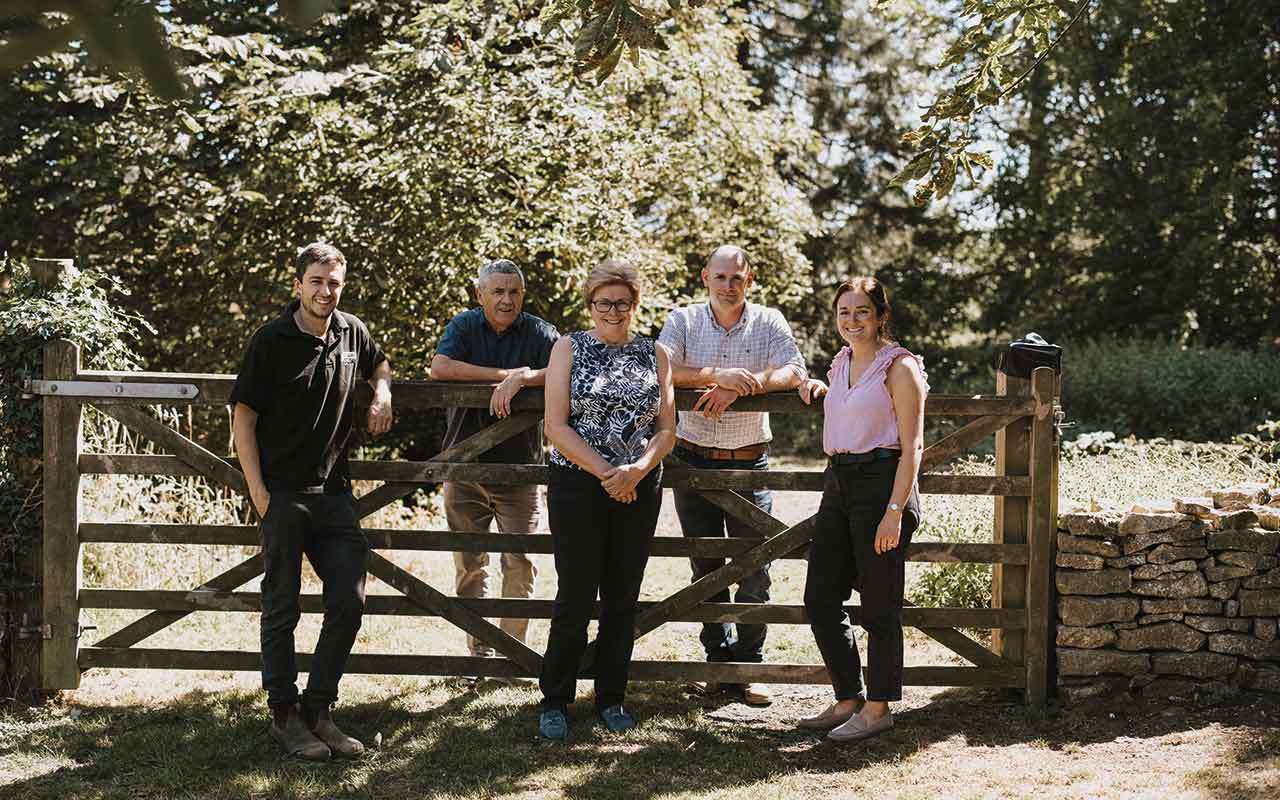
The next generation is now taking the business forward. Emma and her brother, Sam Ward, who manages the pig and arable enterprises, are now both directors of the business, along with Emma’s husband, Henry Blandford.
Other staff succession routes have included supporting student placements. For example, a Harper Adams Pig Industry Scholarship student has returned to Lincolnshire Pork Co in a senior management role to work with Sam on all aspects of the pig business.
The family see plenty of new opportunities ahead and continue to focus on the close working relationships, provenance and product quality that have underpinned their progress to date.
