



With daytime temperatures set to reach nearly 40ᐤC across the UK this week and severe heat alerts in place, RSPCA Assured is providing tips on keeping farm animals cool.
Hot weather can cause serious welfare problems and taking steps to keep your animals cool is vital over the coming days, according to Allan Pearson, farming and technical engagement manager at RSPCA Assured.
“Knowing how to spot the signs of heat stress and how to prevent it is essential for the welfare of farmed animals,” he said.
“The RSPCA welfare standards contain important guidance on how to manage hot weather for individual species. We hope a quick refresher of these tips serves both as a useful checklist for our members as temperatures rise, as well as being helpful reminders for farmers outside of the RSPCA Assured scheme.”
Air flow and ventilation
It is essential to make sure that housed animals have plenty of air flow and their housing is well ventilated, for example by bringing in additional fans to keep air moving and help reduce the risk of heat stress.
Shade and clean water
Farmers should give animals plenty of additional shade and pay extra attention to water provision, ensuring there are no issues with access to water.
Water for farmed animals should always be kept fresh; however, in the heat, farmers should take extra precautions to ensure that it remains so. Farmers can also consider adding extra water troughs to reduce competition for water sources, ensuring all animals are able to easily stay hydrated.
Outdoor animals will need plenty of shady areas to cool down in and avoid the heat of the midday sun. All man-made shady areas should be well-ventilated to allow plenty of air circulation and prevent them from getting too hot.
Reduce transport and movement times
The transportation of animals in hot weather should be avoided unless this is absolutely necessary. Where possible, this should be done during the coolest part of the day, if possible, during the night. Transport, as well as handling, imposes additional stress on animals, and this makes it more difficult for them to cope with the heat.
Moving animals should also be done in the cooler hours of the day. If farmers are moving or transporting animals, they should check frequently for signs of heat stress and take quick action if they notice an animal struggling.
Mists and wallowing
It may be helpful to cool indoor animals down by misting the air to lower the temperature.
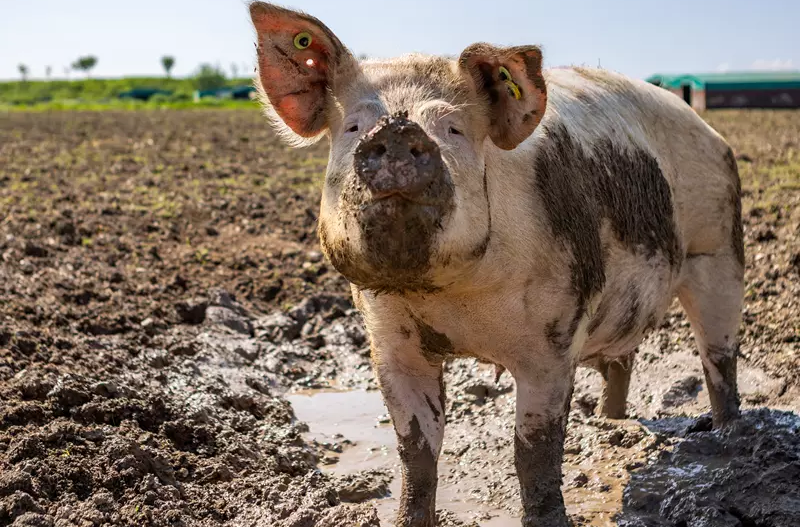
Outdoor pigs should ideally have some sort of artificial or natural wallows available so they can lose heat through evaporation. Wallows also allow pigs to cover themselves in mud, which serves as natural sun protection.
“If an animal appears to be suffering from heat stress and you are unsure what to do, you should seek immediate advice from your vet,” Mr Pearson said. “Any of our members who are struggling with the standards and technical requirements in the heat can always drop a line to our farming and technical engagement team, who will be happy to help and offer advice.”