




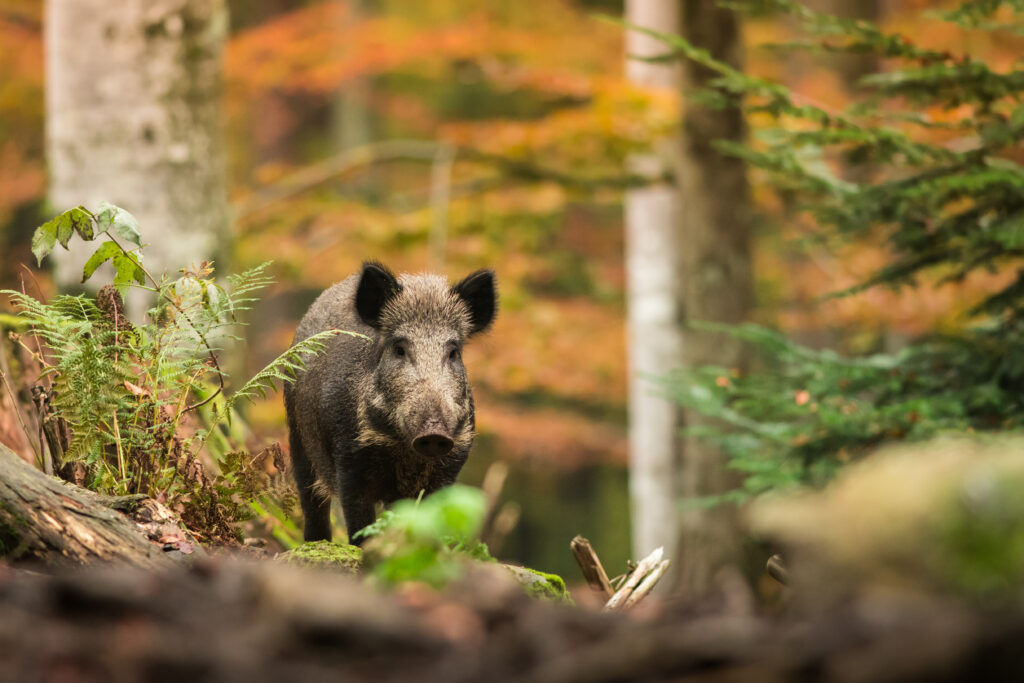
The Spanish authorities suspect the shock outbreak of African swine fever bear Barcelona was most likely caused by a discarded piece of pigmeat, as the number of confirmed cases grows.
Hundreds of police officers, wildlife rangers and military personne have been deployed in an effort to contain the outbreak before it becomes a major threat to the country’s €8.8bn-a-year pork export industry.
Given the large geographical distance the virus has travelled, it is inevitble that it was brought to the region via humans and officials believe the most likely scenario is that wild boar ate contaminated food brought in from outside Spain, the Guardian reports.
“The probability that the origin was cold meat, a sandwich or a contaminated product that arrived by road is high because a lot of hauliers pass through Bellaterra,” Catalonia’s agriculture minister, Òscar Ordeig, told local radio on Monday. “That hasn’t been confirmed, but it’s a hypothesis.”
Two dead boars tested positive for ASF last Wednesday in Bellaterra and on Tuesday, Spain’s agriculture ministry said another seven boars found dead in the same area had tested positive for the virus, bringing the total number of cases to nine.
A 6km) exclusion zone was set up around the outbreaks and the ministry said experts had visited pig farms within a 20-mile radius of the affected area to test animals there and had found ‘no symptoms or injuries compatible [with the virus]’.
Mr Ordeig said 117 personnel from Spain’s military emergencies unit would be working to disinfect the affected zones and remove animals, while also using drones to monitor the situation. The authorities have also warned people that wild boar should not be fed and urged them to call the emergency services if they came across any dead animals.
Swift action
Salvador Illa, the regional president of Catalonia, said his administration had acted swiftly and ‘with full transparency’ in response to the outbreak. “We’re working in coordination with the rest of the administrations with a clear objective: to stop the outbreak, to help and protect the sector, and to overcome this emergency,” he said.
Spain is the world’s second biggest pork exporter, with the 2.7m tonnes sold outside the country in 2024, valued at over €8.8bn, according to Interporc. Catalonia is Spain’s most important pig producing region, accounting for a quarter of its pig herd and more than 40% of its pigs slaughtered.
Spain’s agriculture minister, Luis Planas, met representatives from the country’s pork sector on Monday, telling them the government was ‘putting into effect all its mechanisms to contain’ the outbreak and minimise its impact on exports.
China, which accounts for more than 40% of Spain’s third country pork exports – has banned imports from the province of Barcelona but was still accepting meat from unaffected areas of Spain, under the regionalisation principle.
Mr Planas said this was ‘good news’, adding that two-thirds of Spain’s pork export certificates remained active. He said his department was working to ensure that restrictions on the remaining third were lifted as quickly as possible.
The UK has also announced a ban on pork imports from within Catalonia, but is accepting imports from the rest of Spain.