




Provisional investigations into the origins of Spain’s African swine fever (ASF) have all-but ruled out a nearby laboratory as the source.
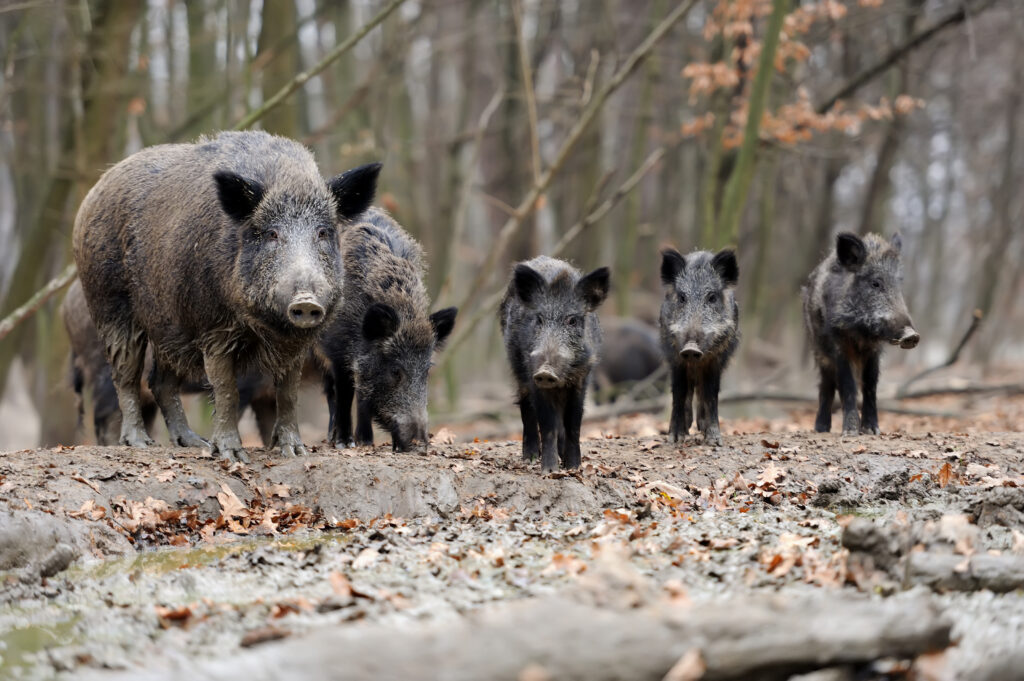
Catalonia’s agriculture minister Òscar Ordeig announced on Monday that a further 18 wild boar had been confirmed with the disease, taking the total number of confirmed cases to 47. All were found close to the original cases identified in dead animals near Cerdanyola, just outside Barcelona, in late November.
Catalan News reports that the majority of the 621 wild boar analysed so far come from within 20km of the original outbreak.
Investigations into the origin had focused on a government laboratory situated close to the outbreaks, the IRTA-CReSA research centre, which was using strains of the disease in experimental studies and vaccine development.
The investigation was sparked after a report by Spain’s agriculture ministry said the strain detected in the wild boar was similar to one detected in Georgia in the 2000s – and not linked to other variants circulating in the EU. It could, therefore, ‘not rule out the possibility that its origin lies in a biological containment facility’.
No match
However, following tests, Barcelona’s Institute for Biomedical Research has announced that the variant detected in wild boars does not match the strain used by researchers at the lab. The laboratory received 19 samples and, after analysing 17, it provisionally ruled out the link, suggesting, instead, that the virus may represent a new, less virulent variant, Catalan News reports.
The results are not conclusive, however, and the Catalan government has sent the results to Spain’s agriculture ministry for an official report.
IRB professor Toni Gabaldón said he would ‘expect the same results’ to emerge but urged caution in reaching a final conclusion until the official report from Spain’s designated European reference laboratory, based in Madrid, is issued.
Catalan News reports that none of the analysed samples matched the virus from the first two wild boar found dead in Cerdanyola or any of the roughly 800 ASF variants circulating worldwide. The closest resemblance is to the Georgian strain, from which it differs by 27 mutations.
Based on these findings, the IRB believes the virus is a newly evolved, low-virulence variant created through accumulated mutations. Prof Gabaldón added that the outbreak’s precise origin may never be definitively known.
In his press conference this week, Minister Ordeig said ASF had been ruled out on 55 farms within the 6km restricted zone. He also announced that the first meeting of the Wild Boar Board, which is aiming to develop a strategy to contain Spain’s wild boar population, will be held this Wednesday.