



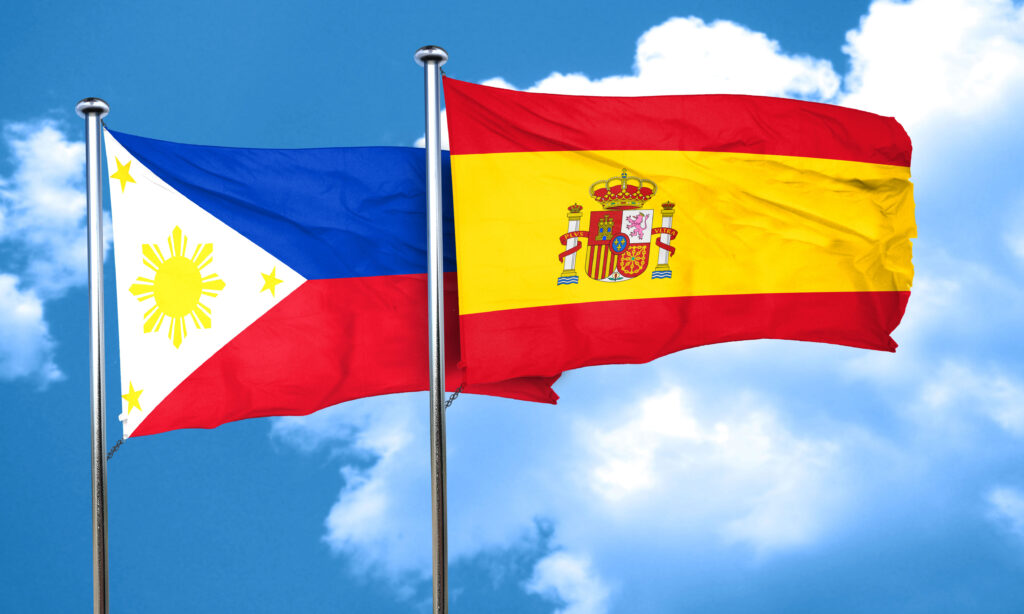
In a crucial development in its drive to recover market equilibrium followings its African swine fever outbreak, Spain has secured a regionalisation agreement with the Philippines.
The Philippines is Spain’s third largest market pork exports by tonnage, accounting for more than 14% of the total, according to Reuters.
Spain was be able to resume exports of pork products from outside of the infected areas in Catalonia to the Philippines from May 22, after the veterinary authorities of both countries reached an agreement.
Spain acted quickly, following its shock outbreak in wild boar in November 2025, confirming regionalisation agreements with the EU, rapidly followed by key third countries, most importantly China. According to Jordi Mora, global director for Eco Animal Health in Spain, 80% of Spain’s pork trading partners had agreed to take exports on a regionalised basis within weeks of the outbreak.
The Philippines has now joined them. Under the new sanitary framework, the Bureau of Animal Industry (BAI) of the Philippines recognises Spain’s entire national territory as a free zone, except for the province of Barcelona, which remains subject to export restrictions.
This recognition allows for the replacement of nationwide restrictions with an approach based on the actual health situation in each territory, in accordance with the principle of regionalisation.
The Livestock Export Certificate (CEXGAN) can be issued for meat and meat products with a production date after May 8. Processed products remain excluded, with Spain and the Philippines currently negotiating their status.
Spain’s Ministry of Agriculture, Fisheries and Food said that this progress ‘strengthens mutual health confidence and the security of trade with the Philippines, avoiding unnecessary disruptions to export flows from unaffected areas’, Reuters reports.
The agreement follows hot on the heels of the Philippines reaching an ASF regionalisation agreement with Germany.