




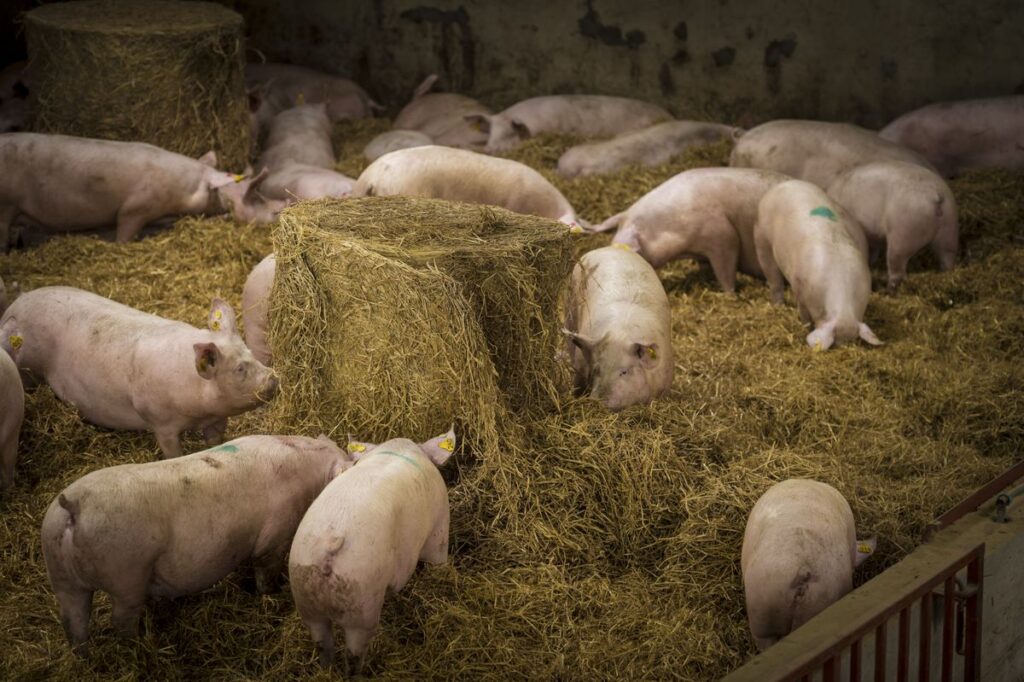
Scottish Pigs has launched a new website giving producers, vets and the wider industry a single, authoritative source of information on pig diseases, biosecurity and welfare in Scotland.
The new site makes it clear what to do in a disease emergency and explains how to report suspected notifiable diseases such as African swine fever (ASF) to APHA and suspected Porcine Epidemic Diarrhoea virus (PEDv) to the Scottish Pig Disease Control Centre. It also explains how to record wild boar and feral pig sightings through iRecord.
The site also brings together information on PRRS Control and Elimination Scotland (PCES), including contacts, SOPs and downloadable farm signs, alongside practical biosecurity guidance that draws on Biocheck audits of 105 Scottish indoor units to show what PRRS-negative farms do differently.
It covers production diseases such as swine dysentery, pleurisy and salmonella, along with welfare work including the long-standing Scottish SPCA partnership and adaptive farrowing.
Producers and their nominated herd vets can use the site to request access to the Scottish Pig Health Network (SPHN) mapping system hosted by SRUC and to follow news from projects such as Pig Insights, which turns Quarterly Veterinary Reports into live health intelligence.
The farmer-owned cooperative, which has led disease control work for the Scottish pig sector for more than 20 years, launches the site at a time of continuing disease risk,with the threat of ASF ever present and PRRS costing the Scottish pig industry an estimated £3 million a year.
The site will be updated regularly with programme news, research findings and practical resources.
Andy McGowan, Director of Scottish Pigs Ltd said: “Scottish pig farmers have led the way on herd health for more than 20 years, from the UK’s first slaughter disease surveillance scheme in 2003 to the national PRRS programme today.
“However, good information only helps if people can find it quickly. This website brings together the guidance, contacts and tools our members and their vets need and makes it obvious what to do if disease is suspected. With the threat of ASF ever present, that matters now more than ever.”