




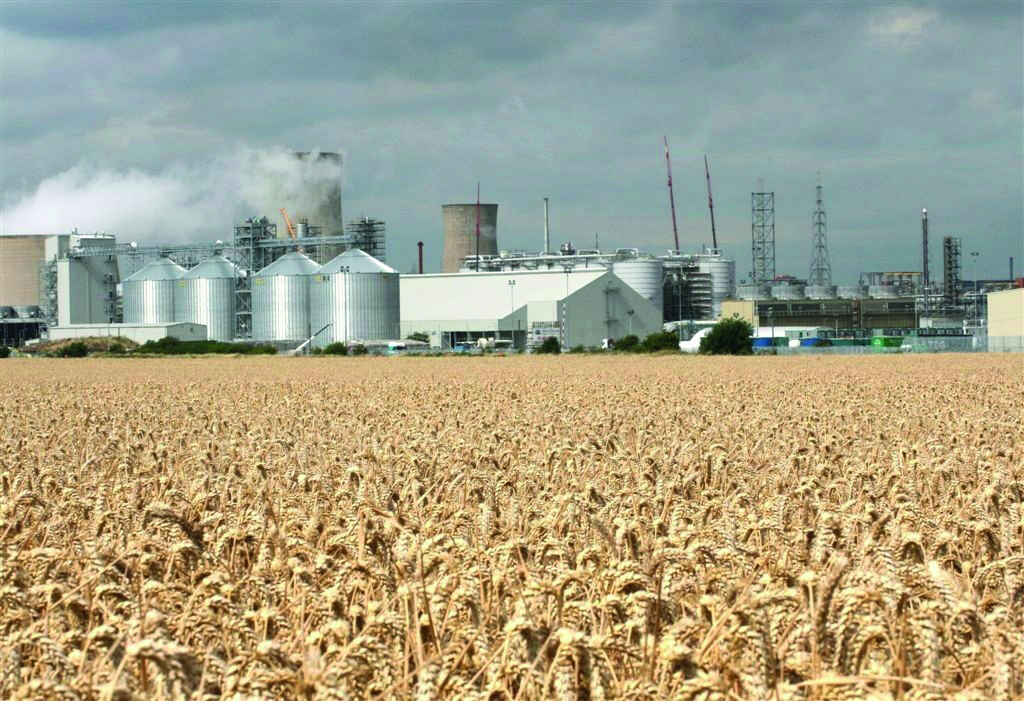
The government is set invest £100m to reopen the Ensus plant in Teeside, in response to concerns over a carbon dioxide shortage as result of the war in the Middle East.
The plant, which manufactures bioethanol which produces CO2, was mothballed in September, after the government and the US agreed deal with removed a tariff on US ethanol imports into the UK.
The Government announced today that it has ‘shored up the UK’s critical supplies of CO2 vital for Britain’s nuclear, packaged meats, fresh food and healthcare’ by temporarily restarting the plant. CO2 is a key part of food and drink production and is used to stun livestock during slaughter as well as in packaging to keep food fresh, and in fizzy drinks.
The Ensus plant will operate for a three-month period, to bolster domestic CO2 production significantly, ‘providing more resilience to essential sectors’, the government said.
Even prior to the war, disruptions to European fertiliser production, combined with difficult market conditions, have significantly reduced the reliability of CO2 imports, while rising gas prices driven by the conflict, plus unplanned maintenance at several European CO2 producing sites, mean that the UK’s market for CO2 risks being undersupplied, the government stated.
The government said it has been in negotiations with Ensus since September to temporarily retain the plant and its operation, to give it the optionality to restart production when needed.
Business secretary Peter Kyle said: “By restarting this plant we’ve acted swiftly to boost the resilience of our supply chains and protect critical UK sectors like food production, water and healthcare, as well as the jobs and communities that depend on these industries.”
“This action forms part of wider government work designed to ensure the UK maintains access to its critical industrial inputs during global supply shocks, such as the ongoing Iran conflict.”
Oil and gas prices have soared since the war started, with fertiliser heavily affected as gas accounts for 60% of its costs.
Stability
NFU Combinable Crops Board chair Jamie Burrows said the agreement will ‘bring stability to ensure UK food businesses have access to a continued sustainable supply of CO2 needed for packing and processing’.
“It is disappointing that the £100m investment from government is not conditional on Ensus using British wheat to support British farming businesses,” he said, Farmers Weekly reports.
“Historically, Ensus has favoured using imported maize over domestic wheat as a feedstock, and there has been no reference at all to the bioethanol production which is the primary output of the plant.”
“Investment in food production is critical to the nation’s future and why we need a resilient food system to anticipate geopolitical shocks generated by the conflict in the Middle East.”