



Red Tractor will be issuing a consultation in November on proposed changes to its pig scheme standards that will reflect lessons learned on heat stress this summer, the pig sector’s growing biosecurity needs and the industry’s focus on flexible farrowing.
“Last year, Red Tractor committed to reviewing standards across all farming sectors as part of our wider commitment to deliver tangible change for farmers,” Red Tractor Pigs Sector Board chair Stewart Houston explained.
“This follows some small changes introduced for pigs last year, to support the rollout of the Enhanced Welfare Outdoor-Bred and Free-Range modules. At that time, we asked for your views on a transition to flexible farrowing and, based on your feedback, the Pigs Board agreed to continue looking at it.”
Since then, the Pigs Technical Advisory Committee (TAC), chaired by Grace O’Gorman and made up of experts and representatives from across the industry, including NPA, Pig Veterinary Society, farmers and processors, has reviewed every standard line by line.
They have proposed changes to deliver against the priorities set out by the Pigs Board at the end of last year, which included reducing the audit burden and protecting industry reputation.
“The Pigs Board has agreed the proposals and in November we’ll be sending out a consultation to get your feedback, including what they mean in practice. As usual, it will be an honest consultation, with your views given serious consideration,” Mr Houston said.
“What is not usual is the financial and vexing worry being experienced by the sector this autumn. We’re very conscious of the challenges facing the pig sector at the moment.
“The proposed changes will not come into play until late next year and our hope is that they will deliver real benefits. Alongside the standards review, we’re also looking at how assessments are carried out and how they can be made more efficient – for example, through the use of technology.”
The proposals
The proposals reflect lessons learned from recent challenges, including the extremely hot weather over the summer, and aim to ensure the standards remain fit for the future. They include biosecurity enhancements, in light of the increasing risk of African swine fever and other diseases.
“Working together over the years has led to significant veterinary medicine use reductions, so let’s see if we can make tangible improvements to biosecurity, which in turn lead to improved pig health,” Mr Houston said.
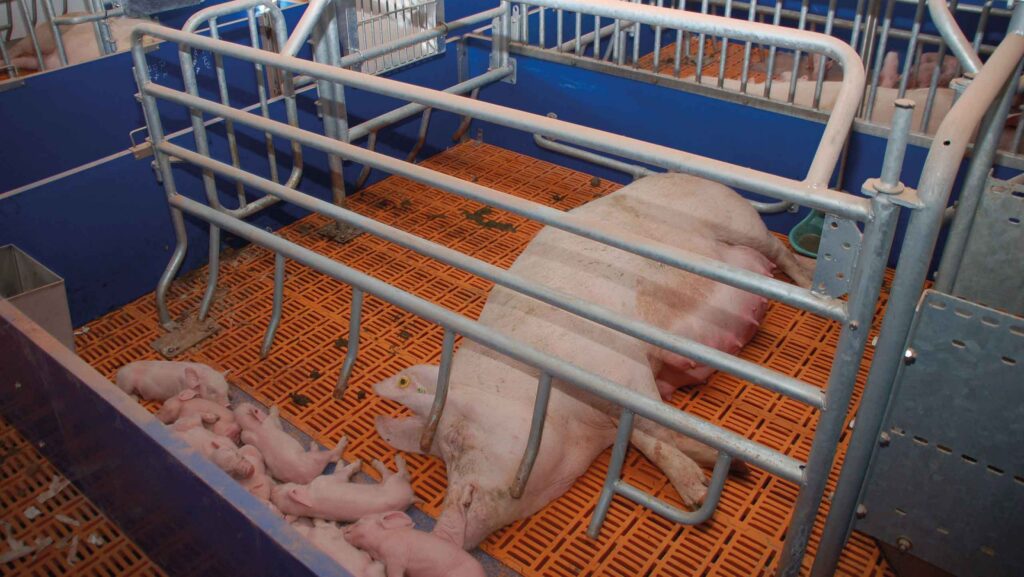
In what he said was a positive move for the sector, the Pigs TAC and sector board are also proposing a comprehensive standard for flexi-farrowing systems.
“We know good pen design is critical to the success of the system, and we’re lucky to have several board members with considerable practical experience of making the change from conventional crates,” Mr Houston said.
“Additionally, farm vets and specialist manufacturers have been on a learning curve with the new system, and their knowledge has been invaluable in helping us to develop a standard. I’m sure you will have your own views, and we would like to hear them.
“There will be more details on the proposals to follow, and we look forward to your comments when the consultation launches in November.”