




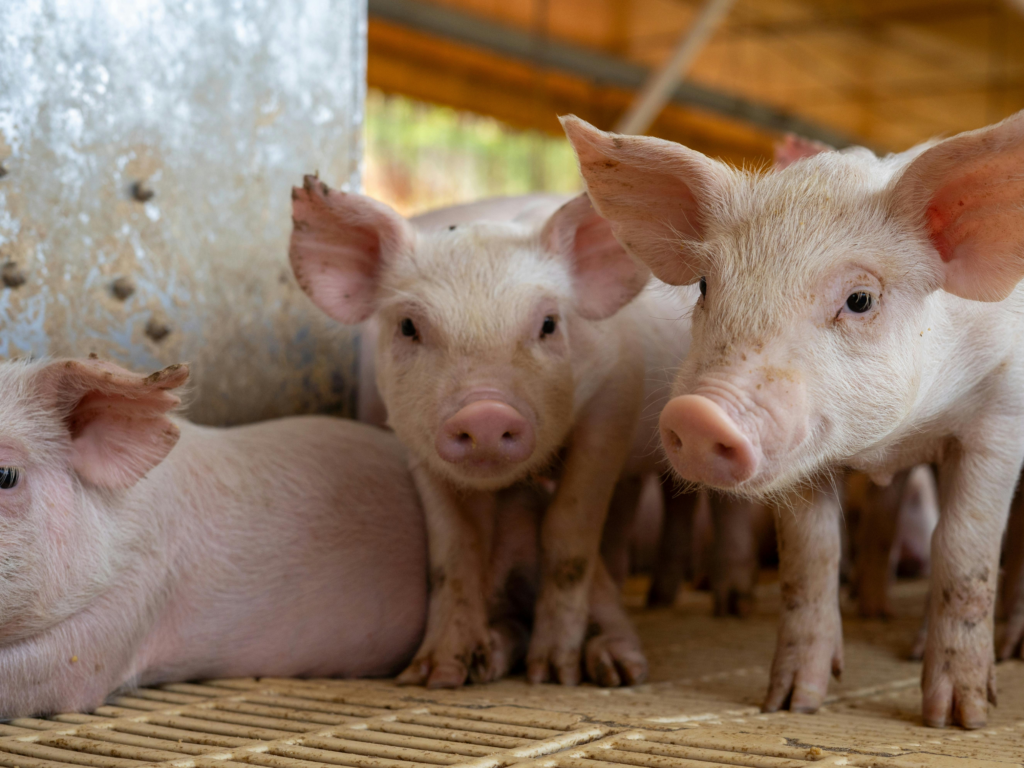
Pig producers are being advised to review fly pressure in housing as prolonged warm weather creates ideal conditions for populations to build.
Fly numbers can rise rapidly during warmer periods, particularly where muck and moisture provide the ideal breeding environment, according to Dave Reece, Lodi UK pest control technical adviser.
He said pig units, particularly slatted-floor systems, can suffer badly from flies because of the muck that accumulates there.
“In warm conditions, larvae can hatch in as little as eight to nine days, so once maggots are present in muck, the problem can escalate rapidly,” he said.
“Around 80% of the fly population is likely to be in the larval stage, so by the time large numbers of adult flies are visible, the problem is already well established. That’s why control needs to start at the breeding site, rather than focusing only on the adult flies you can see.”
Hygiene should therefore form the foundation of any control programme, he added. “The storage of muck is where flies breed, so the less time that material is sitting in the system, the less opportunity flies have to lay eggs,” said Mr Reece.
“Once old bedding or muck has been removed, it’s important to wash and disinfect the building and, where possible, take muck away from the site. That gives you a much better chance of breaking the breeding cycle.”
Alongside hygiene, producers should consider larval control, he added. “Larvicidal products, such as Lodi UK’s Larvenol or Maggots, have an important role in pig units because they target the population before adult numbers become a major problem,” he said.
Producers may also be dealing with more than one fly species, including common house fly and stable fly, which can affect the choice of adult control product.
“Not all flies behave in the same way, so producers need to identify the species present before deciding on the most appropriate adult control approach,” Mr Reece said.
“For common house fly, pheromone-based baits such as Sheila can be useful, but stable fly behaves differently. Using the wrong product for the fly present is unlikely to deliver the result producers expect.
“The most effective approach is to combine good hygiene with targeted larval and adult control, based on where flies are breeding and the species present.”