




Taiwan has restored its status as free of African swine fever (ASF) with the World Organisation for Animal Health (WOAH) just six months after reporting its first ever case.
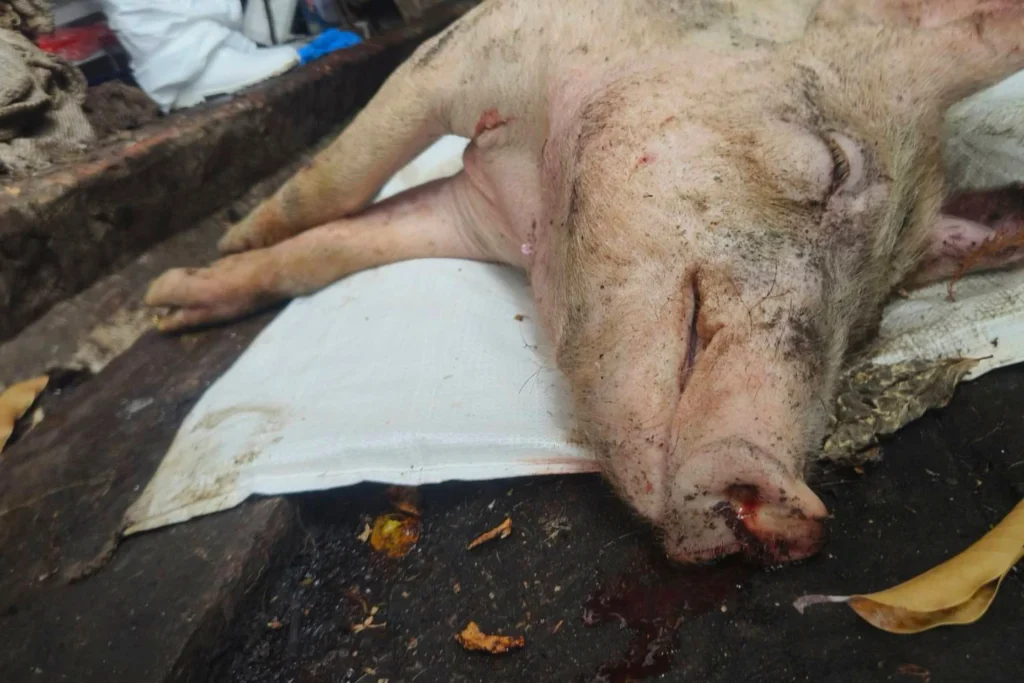
Taiwan reported its first-ever ASF outbreak on a farm in Taichung in October, resulting in 195 pigs being ‘preventively culled’. The outbreak was probably caused by unsterilised food waste, according to the country’s Deputy Minister of Agriculture Tu Wen-jane.
Taiwan’s Ministry of Agriculture announced this week the case was formally closed and reported to WOAH on January 23 in accordance with required procedures, according to the Taipei Times. This was after the affected farm was cleaned and disinfected, and all samples collected after November 21 came back negative.
The ministry said it submitted an application on February 21 to regain self-declared ASF-free status. It had originally estimated that it would take six to eight months to regain the status, but said the application ‘passed WOAH’s rigorous review in just over one month, far faster than its original estimate’.
It added that the result ‘demonstrates Taiwan’s thorough preparation and familiarity with international animal quarantine standards’ and ‘highlights Taiwan’s strong epidemic prevention resilience’.
The ministry noted that, following WOAH’s acknowledgement, Taiwan is once again the only country in Asia free of the three major swine diseases — foot-and-mouth disease, classical swine fever and ASF. WOAH had previously recognised Taiwan’s self-declaration of freedom from ASF in May 2025.