




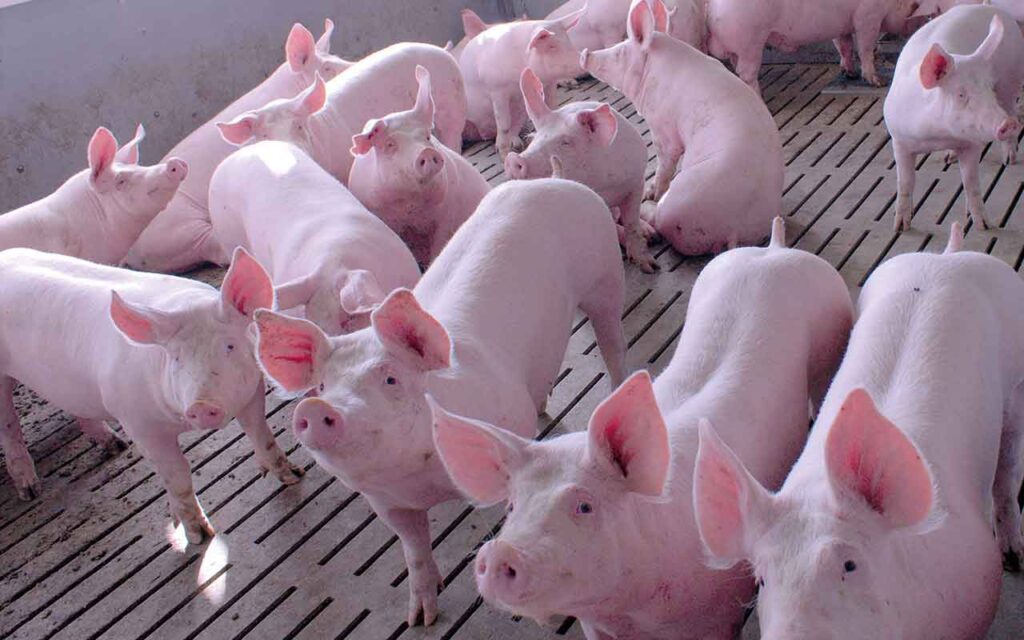

The advances in pig performance over the years, heavily underpinned by genetics, are staggering.
AHDB figures show that, in 2010, GB indoor herds were averaging below 23 pigs weaned/sow/year.
In the 12 months to September 2025, the headline indoor figure stood at fractionally below 29 pigs weaned/sow/year, with the top third averaging 32.6 and the top 10% an impressive 34.7.
The increase has been mainly driven by higher numbers born alive/litter, with the indoor industry average now close to 15 and the top 10 averaging 16.3.
Over the same period, the average number of pigs weaned/sow/year for outdoor GB herds has increased from about 21 in 2010 to just below 25 in the year to September, with 13.2 born alive/year. The top 10% was averaging more than 31 pigs weaned/sow/year, with 15 born alive/litter.
Meanwhile, the EU average has exceeded 30 pigs weaned/sow/year for 2023 and 2024, with some countries averaging well in excess of 30 for a number of years, led by Denmark, which averaged more than 35 in 2024.
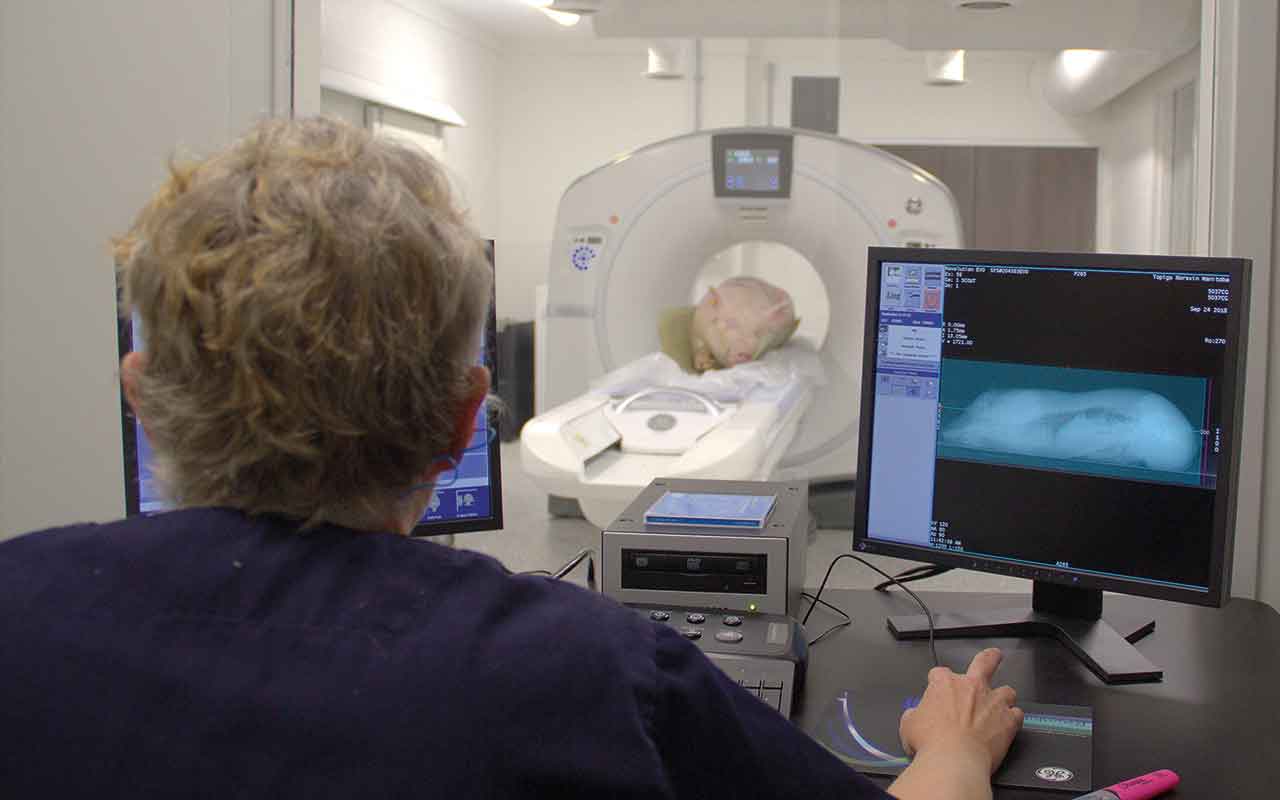
This shows significant progress on the pig sector’s most simplistic and longstanding metric, with genetic improvement the single biggest driver, among other factors.
There is, of course, much more to pig performance and genetics than that. For a start, numbers born and weaned per litter or per year do not necessarily translate to the lifetime of performance of the sow, while prolific litters can create their own problems, if they are not managed well.
Neither does it tell us anything about the performance – including, growth rates, weight and feed efficiency – or the health and wellbeing of the piglet and pig through weaning and subsequent growing stages.
Furthermore, we exist in the midst of an ever-changing pig sector, with pigs reared across multiple and varied systems – not just indoor and outdoor, with the start of the transition to flexible farrowing systems setting differing mothering requirements for indoor sows.
Demands from the supply chain are changing, too, with a greater focus on welfare, behaviour – including tail and flank biting – and environmental sustainability. Not to mention, as always, multiple challenges on the health front, including the threat of certain persistent diseases, the need to reduce antibiotics and the ban on zinc oxide in piglet diets.
Meeting the challenges
So, how are breeding companies adapting to the multiple challenges of growing breeding performance, while at the same time improving the robustness of the sows and the piglets they produce and addressing the health, welfare and environmental challenges set out above?
Over the following pages, we hear from the leading genetics companies supplying the UK on how they are trying to achieve just that, and showcase their key offerings.
Some things are immediately striking, including the increasingly international context of the companies involved, either through ownership or strategic partnership.
Another is how technology, in various ways, is increasingly helping to drive progress and ensure the traits selected find that balance between core productivity and the pig sector’s varied challenges.
There are plenty of options out there in the genetics market and, as our Focus on Genetics features – which we will be publishing each day this week – show, the big genetics companies are not standing still.