

The BBC has highlighted the threat posed to the UK livestock sector by the illegal meat trade, originating in Romania, where African swine fever (ASF) has been rife for a number of years.
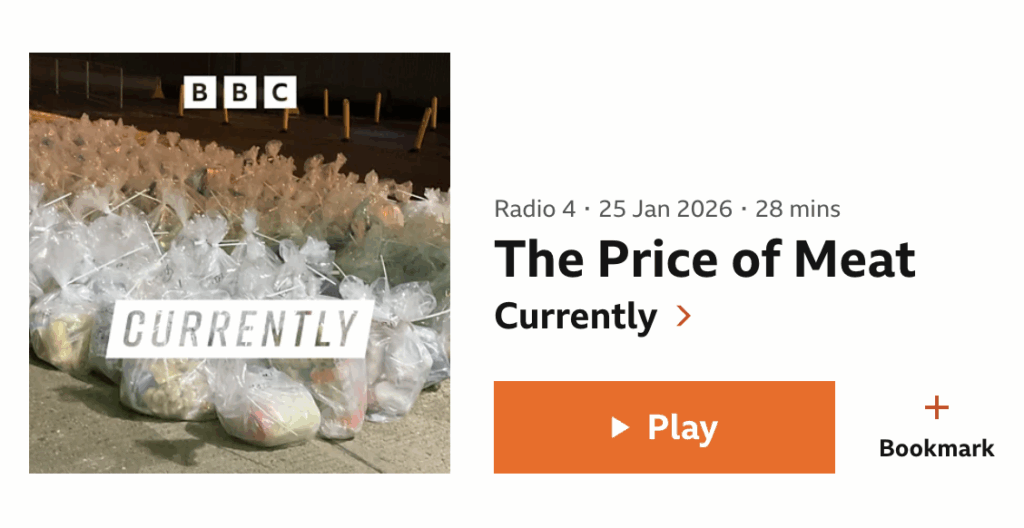
In a Radio 4 documentary, the Price of Meat, presenter Charlotte Smith travels to Romania to trace some of the many routes that meat can take to enter the UK.
She interviews to customs and food standards officials in search of a solution to the ‘significant risk to public health and to the UK’s food and farming economy’ posed by the trade, includes some strong messages on how seriously the UK should be taking this threat.
The programme highlights how the Dover Port Authority seized 20 tonnes of illegal meat in September 2025, compared with just 1.3 tonnes in September 2022. “Extrapolate the numbers with unchecked cargoes and the UK’s other ports and it’s clear that hundreds of tonnes of illegal meat are reaching our shores every month,” the programme blurb noted..
“This isn’t just a tax issue with cheeky smugglers making a few quid as they sell a roasting joint in a local pub. It’s a major risk to the UK economy. Some of the meat is coming from areas suffering from African Swine Fever or Foot and Mouth disease.”
ASF TESTING
Farmers Weekly has also explored the illegal meat threat, highlighting that the illegal products seized at UK ports is not routinely tested for notifiable diseases like ASF.
A response to Freedom of Information request from the Animal and Plant Health Agency confirmed that meat intercepted after being imported illegally is generally destroyed without testing. The lack of testing creates a significant biosecurity blind spot, as seized illegal meat is one of the few opportunities to detect disease before it reaches livestock, the article stated
Other countries such as Australia and New Zealand use risk-based testing of seized products as part of their border biosecurity surveillance.
In the article, the NPA said any testing regime must be backed by additional funding, pointing out that the Dover Port Health Authority may not have guaranteed resource beyond the end of this financial year.
A Defra spokesman said: “We work to safeguard the UK from a huge range of diseases of animals, plants, and bees, securing farmers’ livelihoods, food security, economic security, animal health and welfare and public health.
“We help to prevent animal diseases entering or spreading in the UK through a combination of surveillance, diagnostics, research, and rapid response when suspicions of a notifiable disease are reported.”